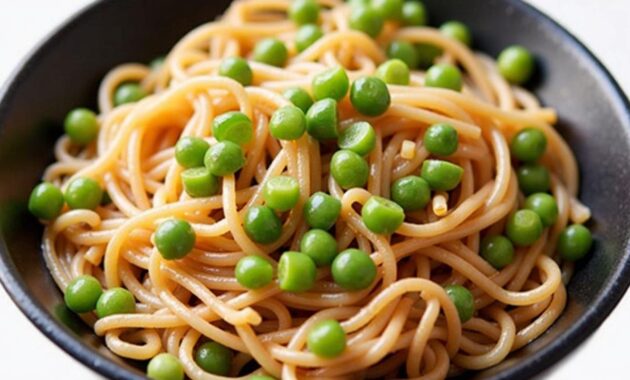
Steam billows, the pan hisses, and yet your dinner slumps into a wet, limp heap that nobody really wants.
You followed the recipe, cranked the heat, bought the fancy soy sauce. Still, your stir fry turned out more sad sauna than searing street food. Some professional chefs insist the problem is you and your “home kitchen limitations”. They are only half right.
Why chefs blame you for soggy stir fry
In cooking videos, chefs toss glossy noodles and crisp vegetables through clouds of smoke. At home, most people get pale onions, watery courgettes and sticky clumps of rice. The contrast makes many professionals say stir fry should be left to restaurant burners.
They point to three things: weak domestic hobs, small pans, and amateur technique. On paper, they are not wrong. A typical Western gas hob offers far less heat than a restaurant wok burner. Home cooks crowd the pan. Ingredients go in cold and damp. Flavours get diluted.
Your stir fry is not failing because you are hopeless. It is failing because the standard advice quietly sets you up to steam, not fry.
The good news is that you do not need a roaring jet burner, carbon-steel wok and martial arts training. You just need to work with the kitchen you actually have instead of chasing a restaurant fantasy.
The real enemy: hidden water in your pan
Soggy stir fry almost always comes down to one thing: too much water, not enough heat.
Vegetables are mostly water. Tofu is full of it. Fresh meat leaks juices the moment it hits a hot surface. Then you add marinade, sauce and maybe the water still clinging to washed veg. Your pan becomes a shallow hot tub.
Once the bottom of your pan is covered in liquid, you are no longer stir frying. You are simmering.
Simmering is lovely for stews. It is lethal for a stir fry. The surface temperature drops, browning stops and everything softens instead of crisping.
➡️ If you feel emotionally unsettled after positive events, psychology explains the inner adjustment
➡️ UK Ends Retirement at 67 Historic Shakeup New Pension Age Officially Announced
➡️ A grave upends history: humanity’s first gold jewellery was here
➡️ Why adding a mashed banana to muffin batter makes them stay moist longer
The role of heat: why “high” isn’t always high
On a domestic hob, the “high” setting is often optimistic. That dial does not guarantee enough power to keep a crowded pan hot.
Every time you add a cold ingredient, the pan temperature plunges. If you add too much at once, it will never properly recover. This is why professional kitchens talk about “heat capacity” as much as heat level. A restaurant wok burner not only runs hot; it recovers instantly.
At home, your heat recovers slowly. So the way you add ingredients becomes crucial.
Simple fixes that change everything
You do not need new equipment to avoid a soggy mess. You need a different order of operations.
1. Dry things far more than you think
Water on the surface of your food is the quickest route to limp stir fry. After washing veg, shake them hard, then pat dry with a clean tea towel or kitchen paper. Do the same for prawns, chicken strips or tofu cubes.
- Spin leafy greens in a salad spinner if you have one.
- Press tofu between two plates with a weight for 15–20 minutes before cutting.
- Use thicker marinades instead of watery ones, and drain excess before cooking.
This step feels fussy, but it slashes the amount of steam in your pan in the first minute of cooking, when texture is won or lost.
2. Cook in small batches, then recombine
This is the move that many home cooks skip because they are hungry and tired. It matters more than any special sauce.
Stir fry is not one big cook; it is a series of very fast mini-cooks assembled at the end.
Here is a practical sequence for a typical two-person stir fry using a standard frying pan or wok:
| Step | What you do | Why it prevents sogginess |
|---|---|---|
| 1 | Heat pan until almost smoking, add a thin film of oil. | Gives you a hot, dry surface for searing, not steaming. |
| 2 | Stir fry meat or tofu in a single layer, then remove to a bowl. | Lets it brown and cook through without stewing in its own juices. |
| 3 | Cook firm veg (carrots, broccoli stems, peppers) in the same pan. | These cope better with longer contact and need more time. |
| 4 | Add quick-cooking veg (spring onions, leafy greens) last. | Keeps them bright and crisp instead of floppy and dull. |
| 5 | Return meat/tofu, add sauce, toss briefly, then take off the heat. | Warms everything and coats with sauce without overcooking. |
By splitting the cook, you give your modest hob a fighting chance.
3. Respect the pan size you actually own
Recipes rarely mention that their gorgeous photos often rely on a giant wok. Your 24cm non-stick pan has limits. If the surface is so packed that you cannot see metal between pieces, you are not stir frying.
For most home pans, that means cooking no more than:
- 150–200g of meat or tofu per batch
- Two loose handfuls of chopped veg at a time
- One portion of noodles or rice per round of stir fry
Yes, this means standing at the hob a bit longer. In exchange, you get vegetables that squeak, not slump, when you bite them.
4. Sauce goes on late and light
Big pools of sauce encourage everything to stew. Restaurant stir fries often look glossy because of thickened, reduced sauces used in small amounts, not because they are drowning in liquid.
Think of sauce as a glaze, not a soup.
Whisk your sauce in a cup before you begin, then add it right at the end. Let it bubble for 30–60 seconds, just long enough to cling to ingredients. If you use cornflour or another starch, that short burst turns runny liquid into a shiny coating.
Why the “you need a real wok” argument is overrated
Many chefs insist that without a carbon-steel wok, round-bottom stand and volcanic gas burner, you will never achieve true stir fry flavour. They are referring to “wok hei”, the smoky, charred aroma you taste in some Chinese restaurant dishes.
At home, you will rarely get full wok hei. That does not mean you are doomed to soggy food. Browning, good seasoning and quick cooking still create deep flavour, even in an ordinary frying pan.
In fact, a heavy skillet often holds heat better on a home hob than a thin, traditional wok. You trade some drama for better temperature stability. For many kitchens, that is a smart swap.
Wok hei, translated for real life
Wok hei roughly means “breath of the wok”, and it comes from extreme heat, tiny oil droplets and brief charring. On a domestic stove, you can gently nudge your food in that direction by:
- Letting the pan preheat longer than you think you should.
- Using oils with higher smoke points such as groundnut, rapeseed or sunflower.
- Not being scared of small patches of browning on noodles or veg.
You are not replicating a restaurant burner. You are borrowing some of its best behaviours.
Common myths that keep home cooks stuck
Myth 1: more oil will stop sogginess
Extra oil adds gloss and richness, but it does not counteract steam. A pan full of oil with wet ingredients dropped in is still a steamy environment. You want enough oil to lightly coat the surface, not a shallow fry.
Myth 2: marinating for ages always helps
Long marinades can load food with extra moisture. Thin soy-heavy mixes soak in and then leak back out into the pan. Shorter marinades, combined with draining or patting dry, protect texture while still adding flavour.
Myth 3: non-stick pans cannot brown food properly
Many non-stick pans can reach temperatures high enough for browning. The issue is less the coating and more overcrowding and excess moisture. Non-stick can actually make stir fry easier for beginners, since food releases cleanly even on high heat.
Practical scenarios: fixing typical weeknight mistakes
Scenario 1: the “everything at once” dinner
You are late, hungry, and you toss sliced chicken, broccoli, peppers and sauce into a cold pan, then turn on the heat. Ten minutes later, you have grey chicken, pale veg and a watery puddle.
Fix it by front-loading heat and sequencing:
- Preheat the pan until it is properly hot before adding oil.
- Cook chicken alone, in a single layer, then remove.
- Stir fry broccoli and peppers next, adding a splash of water only if they start to catch.
- Return chicken, pour in pre-mixed sauce, toss for one minute, then serve immediately.
Scenario 2: the “healthy” veg overload
You try to boost your five-a-day by cramming a whole fridge drawer of vegetables into one stir fry. The pan fills, the temperature crashes, and everything softens into the same texture.
A better way is to cook more veg in waves, not in one go. Use the same hot pan several times, with a dash more oil each round, then mix all the veg in a large bowl with your sauce at the end. You still eat the same amount of vegetables, but each kind keeps its character.
Extra notes that unlock better stir fry
Two terms matter here: “surface area” and “carryover cooking”. Thin slices and small cubes have more surface exposed, which means they brown faster but can overcook quickly. That is why stir fry favours bite-sized pieces and constant movement.
Carryover cooking is what happens after you take the pan off the heat. Food continues to cook from its own residual heat. If your vegetables are perfectly done in the pan, they will be slightly overdone on the plate. Take them off the heat a little earlier than your instincts suggest.
Stir frying also links neatly with other kitchen tasks. Leftover rice dries out in the fridge, making it ideal for fried rice the next day. Blanching tough vegetables in advance, like green beans or broccoli, lets you keep stir fry times short while still cooking them through. Think of stir fry less as a rushed last step, and more as the final, fast stage of a longer, calmer preparation.