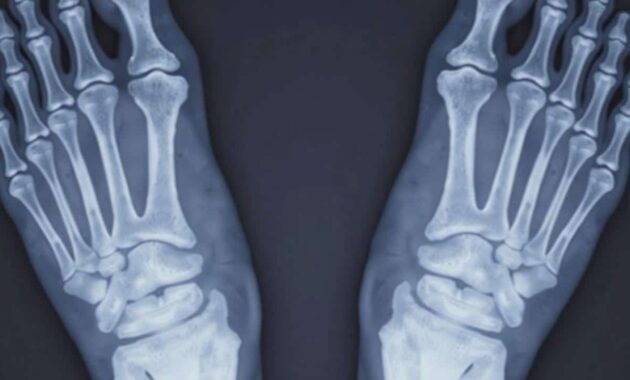
For thousands of runners, walkers and weekend tennis players, a nagging heel or elbow pain quietly reshapes daily life long before any surgeon enters the picture.
Across clinics in Europe and the US, a relatively discreet technology is starting to fill that gap between stubborn pain and the operating theatre, using targeted shock waves to nudge damaged tissue back into repair mode.
Why some tendon pains never really go away
Foot and tendon issues like plantar fasciitis, Achilles tendinopathy and tennis elbow are often dismissed as simple inflammation that will fade with rest. For a proportion of patients, that story is wrong from the start.
Over months or years, repeated micro‑trauma can change the inner structure of the tendon or fascia. Collagen fibres lose their tidy alignment, tiny blood vessels invade where they shouldn’t, and the tissue’s capacity to heal itself drops. Pain becomes a daily companion, especially during the first steps in the morning or the first swings of a racket.
Standard care still has its place: rest from aggravating activities, anti‑inflammatory drugs, physiotherapy, stretching plans, shoe inserts or braces, and sometimes steroid injections. Many people improve on this package.
Yet a solid minority do not. After six to twelve months, they are still limping to the office or abandoning sports they love. At that point, surgeons may discuss procedures that remove diseased tissue or release tight structures around the tendon. These operations can work, but they bring an incision, anaesthesia, potential complications and weeks of reduced activity.
Between “wait and see” and the scalpel, doctors are looking for tools that actively restart healing without sending patients into hospital.
What shockwave therapy actually does
Shockwave therapy, more formally extracorporeal shockwave therapy (ESWT), uses short, high‑energy mechanical pulses delivered through the skin to a small, painful area. There is no cut and no camera; the device sits outside the body.
During a session, the clinician identifies the most tender spot by palpation and ultrasound when available. A handheld applicator is pressed against the skin with gel, and several hundred to several thousand pulses are delivered over a few minutes. The intensity is gradually increased within the patient’s tolerance.
Unlike many futuristic‑sounding treatments, ESWT is not brand new: the US Food and Drug Administration cleared devices in the early 2000s for conditions like plantar fasciitis and tennis elbow.
➡️ This former Google and Amazon engineer warns: AI is about to replace half of human developers
➡️ Germany pulls off a breakthrough in quantum teleportation, paving the way for tomorrow’s internet
➡️ Hairstyles after 50: the best cuts to look younger in 2026
➡️ China Gives Airbus An Early Christmas Gift As Tianjin Factory Crosses Symbolic Milestone
➡️ How much will I get?” The one move to make on info-retraite.fr to model your future retirement
Researchers believe the pulses do three key things in the treated area:
- increase local blood flow and the formation of tiny new vessels
- stimulate cells involved in tissue repair and collagen remodelling
- modulate pain signals carried by sensitive nerve fibres
Two main forms are used in clinics:
- Radial shock waves, which disperse energy near the surface and suit broader, more superficial zones
- Focused shock waves, which can target deeper structures with more precision
The choice depends on what is damaged, how deep it lies and the equipment available. Treatment plans typically involve three to six sessions, spaced one or two weeks apart, often combined with a structured exercise programme.
Real‑world patient: from retirement heel pain to daily walks
A widely cited case in US media described a retired doctor in his seventies, an avid walker, sidelined by relentless plantar fasciitis. Months of stretching, orthotics and medication changed little. Surgery felt disproportionate and risky.
He enrolled in a series of shockwave sessions at an academic centre. After the third weekly visit, he noticed a marked drop in pain when getting out of bed. Within weeks, he was walking several miles a day again, without the knife and without a long lay‑off.
Stories like his are not isolated, although not every patient experiences such a dramatic turn. Trials report response rates that vary by condition and study design, but enough positive data have accumulated to bring ESWT into national guidelines for some chronic tendinopathies.
Keeping people moving, not immobilised
One of the strongest arguments for shockwave therapy is not only what it does to the tendon, but what it allows in daily life. Most protocols do not require full rest. Instead, patients are encouraged to keep up gentle movement and progressive strengthening, avoiding only the sharpest triggers like sprinting or heavy jumping in the early stages.
In ageing, active populations, preserving the ability to walk, climb stairs or play sport is rapidly becoming a public health issue, not a luxury for enthusiasts.
A large review in the Journal of Aging Research linked regular physical activity with an extra few months to several years of life expectancy, depending on how active people were and when they started. Joint and tendon pain that forces people into inactivity can erode that benefit.
For those stuck between failed conservative care and the prospect of surgery, ESWT offers a middle path: targeted, clinic‑based sessions with minimal interruption to work or exercise routines.
When shock waves make sense, and when they do not
Specialists underline that shockwave therapy is not a magic wand. The best candidates tend to share a few features:
- symptoms lasting at least three to six months
- clear diagnosis confirmed by clinical exam, sometimes imaging
- limited or no response to rest, physiotherapy and standard medication
- no major tendon tear or rupture that obviously needs surgery
People with blood‑clotting disorders, active infections at the site, certain heart conditions or who are pregnant may be advised against treatment. Pain during the session can be uncomfortable, and short‑term soreness or redness usually settles within days.
Access and cost also play a role. ESWT devices are concentrated in sports medicine, orthopaedic and rehabilitation centres, and not all health systems reimburse the sessions. Some private clinics offer packages marketed straight to athletes, raising questions about overselling and overuse.
What a patient can expect during treatment
For many, the biggest surprise is how quick the visits are. A typical shockwave appointment may look like this:
- brief check on symptoms and activity since the last session
- palpation of the painful area, occasionally ultrasound guidance
- application of gel and positioning of the device head
- series of pulses lasting 5–10 minutes
- post‑session advice on activity and exercises
Pain relief rarely arrives overnight. Patients are usually told to judge the treatment after several weeks, not days. The tendon remodels slowly, even when stimulated.
Key concepts worth decoding
Chronic tendinopathy versus simple inflammation
Many people think of tendon pain as “tendinitis”, implying classic inflammation. Chronic tendinopathy is different. Under the microscope, doctors see degeneration, disorganised fibres and abnormal blood vessels rather than a standard inflammatory storm.
This distinction matters because pure anti‑inflammatory strategies, like repeated steroid injections, may not restore the damaged structure and can even weaken tissue when used excessively. Mechanical approaches such as progressive loading exercises and shockwave therapy aim to remodel the tendon instead of just calming it down.
Mechanical stimulation as a therapeutic tool
To someone outside medicine, the idea of hitting a sore tendon with energy pulses sounds counterintuitive. Yet bone and soft tissues are biologically tuned to mechanical forces. Weight‑bearing strengthens bone; controlled stretching re‑aligns scarred muscle; carefully dosed impact can prompt healing.
Shockwave therapy is an attempt to harness that principle in a focused way. The energy doses are carefully calibrated to irritate the tissue just enough to trigger repair processes, without causing new structural damage.
What the future might look like for sports‑related pain
Researchers are now testing combinations: ESWT alongside heavy slow resistance training, with ultrasound‑guided injections, or timed around specific phases of rehabilitation. There is growing interest in seeing whether earlier use—before a year of pain has passed—could prevent some cases from sliding into long‑term disability.
At the same time, orthopaedic surgeons are refining their own decision trees. In some centres, shockwave therapy has become a formal step before surgery is even considered for conditions like stubborn plantar fasciitis or tennis elbow. Patients who still fail several rounds of non‑invasive care can be more confidently steered towards the operating theatre, knowing that less invasive options have been tried.
For now, shockwave therapy sits in that nuanced medical space where expectations must be managed: not a miracle cure, not an empty promise, but one more tool that can, in many cases, keep scalpels sheathed and people moving on their own two feet.