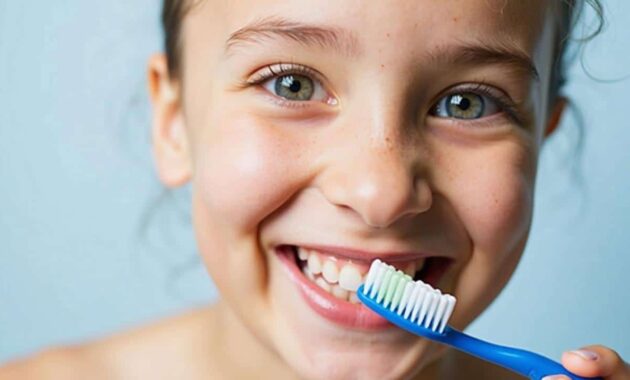
Most of us still scrub our teeth as if the goal were to sterilise our mouths.
A new generation of toothpaste suggests otherwise.
Instead of blasting every microbe in sight, researchers are quietly reshaping oral care with a product that leaves friendly bacteria alone and targets only the troublemakers linked to gum disease. It is a small shift in routine that could ripple far beyond the bathroom sink.
A toothpaste built around the oral microbiome
The human mouth is anything but clean in the sterile sense. It is a thriving ecosystem, home to an estimated 700 or more bacterial species, along with fungi and viruses. Collectively, they form what scientists call the oral microbiome.
Most of these microbes help, rather than harm, by holding each other in check and supporting the health of teeth and gums. When this balance is disturbed, some species gain the upper hand. That shift can trigger gum inflammation, known first as gingivitis and, in more severe and long-lasting cases, periodontitis.
Instead of treating every microbe as an enemy, the new toothpaste treats the mouth as an ecosystem that needs managing, not erasing.
This is where the new microbiome‑protecting toothpaste comes in. Rather than acting like a chemical flamethrower, it uses a selective ingredient designed to slow down only bacteria associated with periodontitis, the advanced form of gum disease that can lead to tooth loss.
Targeting the “bad actors” without flattening the rest
For decades, mouthwashes and some toothpastes have relied on broad-spectrum antiseptics. They do kill pathogenic bacteria, but they also wipe out beneficial residents. That scorched-earth strategy can leave the door open for new imbalances.
Researchers now talk about “dysbiosis” when the normal microbial balance is disrupted in a lasting way. Dysbiosis in the mouth does not always cause pain at first, but it can quietly fuel chronic inflammation around the gums.
Porphyromonas gingivalis in the spotlight
One bacterial species sits at the centre of many periodontitis studies: Porphyromonas gingivalis. It thrives in dental plaque that builds up along the gum line and is skilled at evading the immune system. Once established, it helps maintain a constant state of local inflammation.
Traditional antiseptic rinses can knock down P. gingivalis, yet they rarely discriminate. The new toothpaste takes a different route. Scientists at the Fraunhofer Institute for Cell Therapy and Immunology (IZI) identified a compound that selectively inhibits the growth of problematic bacteria, including key periodontal pathogens, without shredding the entire community.
➡️ My stomach is firmer and my waist is slimmer: pilates moves that work wonders for women over 60
➡️ At just 34, a woman developed an aggressive skin cancer from a very common virus… a medical first
➡️ Hairstyle after 50: the 60s bob cut is back in fashion for 2026
The active ingredient does not explode the bacteria on contact; it quietly blocks their growth and blunts their toxic impact.
That gives so‑called “good” bacteria a chance to recolonise the space and re-establish a more stable, less inflammatory balance on teeth and gums.
From lab bench to bathroom shelf
Turning an experimental molecule into something you can safely spit down the sink twice a day is not a trivial step. The teams involved had to prove that the ingredient stays in the mouth, does not seep into the bloodstream in meaningful amounts, and does not irritate gum tissue or damage enamel.
According to a press communication from the Fraunhofer Society, researchers ran in-depth biochemical tests and structural biology studies to understand precisely how the compound binds to its bacterial targets. They also examined how it behaves in saliva and how long it remains active after brushing.
The project followed Good Laboratory Practice (GLP) standards, the same framework regulators use for many medical and toxicology studies. That means controlled protocols, traceable data, and independent oversight.
A spin-off company, PerioTrap, then reformulated the compound into a commercial toothpaste. Crucially, the product still does the everyday jobs consumers expect: it includes fluoride to protect against cavities and mild abrasives to help remove plaque mechanically.
- Fluoride: strengthens enamel and reduces the risk of decay
- Targeted antimicrobial: slows harmful periodontal bacteria
- Abrasive particles: assist in physical cleaning of tooth surfaces
The result is not a pharmaceutical cream for occasional use, but a daily toothpaste that adds a layer of microbiome-aware science to a familiar ritual.
Rethinking how we prevent gum disease
Periodontitis is more than a nuisance that ends in a denture. It is a chronic inflammation of the tissues that anchor each tooth in the jawbone. In advanced stages, gums recede, bone is lost, and teeth can become loose and eventually fall out.
The condition is surprisingly common among adults, and once established, it tends to flare up repeatedly. Standard treatment still centres on deep cleaning by dentists or hygienists, sometimes with antibiotics or antiseptic rinses as a backup.
By stabilising the microbial community rather than trying to sterilise it, the new toothpaste aims to keep treated gums from slipping back into disease.
The idea is simple: keep the worst bacterial triggers on a short leash while allowing the rest of the microbiome to hold the fort. This shift from eradication to regulation mirrors trends in gut health, where complete elimination of bacteria is no longer the goal.
From the mouth to the rest of the body
Gum disease does not stay politely confined to the mouth. Research over the past decade has linked periodontitis with a higher risk of cardiovascular problems, such as heart disease and stroke, and with metabolic issues including diabetes.
Scientists suspect that chronic low-grade inflammation from infected gums, and occasional bursts of bacteria into the bloodstream during chewing or brushing, may contribute to these wider health burdens. The field is still evolving, but the connections are strong enough that cardiologists and diabetologists now routinely ask patients about their oral health.
On that backdrop, a toothpaste that keeps the gum microbiome calm and balanced is not just a cosmetic upgrade. It could become one of several tools used to dial down systemic inflammation over the long term, alongside diet, physical activity, and smoking cessation.
What “protecting the microbiome” actually means day to day
For consumers, all this can sound abstract. In practice, using a microbiome‑friendly toothpaste does not feel dramatically different. You still brush for about two minutes, twice a day, and you still need floss or interdental brushes to reach between teeth.
The main change lies in the product philosophy:
| Conventional antiseptic care | Microbiome‑protecting approach |
|---|---|
| Broadly kills bacteria, both helpful and harmful | Targets specific harmful bacteria linked to periodontitis |
| Higher risk of long-term imbalance (dysbiosis) | Aims to maintain a stable, diverse microbial community |
| Short-term “clean” feeling may mask repeated disruption | Focuses on steady control of chronic gum inflammation |
| Often used as a quick fix during flare-ups | Designed for regular, preventive use |
For people who have already been treated for periodontitis, dentists could eventually recommend such products as part of a tailored maintenance plan, especially where repeated bouts of disease have been hard to control.
Key concepts worth unpacking
Dysbiosis
Dysbiosis simply means a disturbed microbial community. In the mouth, that might show up as more bleeding when brushing, persistent bad breath, or gum tenderness. It does not always equal infection with a single aggressive pathogen; it can be a subtle shift in which species dominate.
Selective inhibition
The toothpaste’s active ingredient does not aim to sterilise. It interferes with specific bacterial processes, such as enzymes or metabolic pathways that harmful species rely on more heavily than their neighbours. That kind of targeted pressure can reduce the abundance and activity of the culprits while sparing the wider community.
How this could fit into future oral care routines
Imagine a patient in their 40s with a history of bleeding gums and early bone loss around several teeth. After professional treatment, they switch from a strong antiseptic rinse to a microbiome‑protecting toothpaste. Over the next year, regular check-ups show less bleeding, more stable gum measurements, and fewer pockets where harmful bacteria can thrive.
In another scenario, someone with diabetes—already at higher risk of gum disease—uses this style of toothpaste as part of a broader prevention plan. While the product alone will not “fix” diabetes or periodontitis, it may contribute to keeping inflammation in check when combined with good blood sugar control and consistent dental care.
Researchers are also watching for potential synergies. Probiotics aimed at the mouth, personalised dental hygiene plans based on saliva tests, and this new wave of targeted toothpastes could gradually move oral care from a one-size-fits-all model to something more nuanced and preventive.