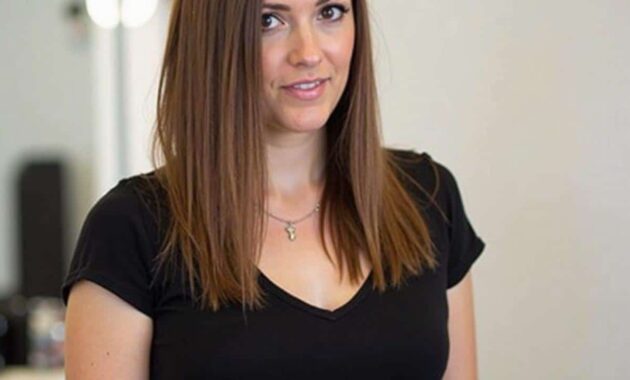
Winter light, faded lengths and that familiar urge to book another colour session: for many, the salon cycle never really stops.
Yet one Paris hairdresser says the trick to fresh, luminous colour isn’t more bleach or dye, but something far less dramatic — and it could save both your hair and your budget.
How a simple switch in your salon routine changes everything
For anyone hooked on balayage, highlights or bold colour, the pattern is usually the same: fresh tone, a few weeks of hair happiness, then roots creeping in and lengths turning dull. Another three-hour colour appointment gets booked, even if your hair is clearly tired.
At his boutique salon L’Adresse in Paris’s 8th arrondissement, stylist Stéphane Macquaire has started gently pushing some regulars in a different direction. When clients arrive asking for “just a little touch-up” on their balayage, he often suggests something else first: a deep, tailor-made treatment to revive the hair, rather than another round of lightening.
According to Macquaire, the real secret to stretching out colour appointments is not adding more pigment, but restoring the hair’s strength and shine so the existing colour looks fresh for longer.
This approach shifts the focus from chasing roots every six weeks to building a healthier base. Once the hair fibre reflects light again and sits better, the colour instantly appears richer, even if no new dye has been applied.
Why repeated colour can backfire on your hair
Colour services, especially lightening, always stress the hair to some extent. Repeating techniques too often can lead to dry, frayed ends, breakage and that flat, faded look that makes people feel they “need” even more colour.
Macquaire’s point is straightforward: if the hair is already fragile, repeating your usual balayage or full-head colour might make it look brighter for a few days, but it won’t solve the underlying problem. The fibre is compromised, so the dye fades quicker and the tone looks brassy sooner.
By interspersing technical appointments with intensive treatments, he says clients can often double the time between big colour sessions. Instead of colouring every six to eight weeks, some push it to three or even four months, depending on their natural base and how blended their last balayage was.
What actually happens during a deep treatment session
At L’Adresse, the treatment routine is designed to feel as considered as a colour service. It starts with a diagnosis: the stylist looks at scalp condition, porosity, breakage and how the existing colour is behaving on the lengths.
➡️ Cloud bob: the best trendy bob for fine hair in 2026
➡️ Varsity bob: the must‑have blunt bob trend for 2026
➡️ Could A Titanic Chinese Engineering Project Really Slow The Earth’s Rotation? What NASA Says
➡️ Making A “Shampoo Sandwich” Is The Best Way To Wash Your Hair, According To Hairdressers
From there, they choose a targeted protocol. One popular option uses Davines products, including The Circle Chronicles masks, combined to address several issues at once: for example, an oily scalp and dry, bleached ends.
The treatment can include a scalp massage to stimulate circulation, a clarifying phase to remove sebum and build-up, then a mask designed to reinforce the hair fibre and seal in moisture.
There’s no dramatic before-and-after change in shade, but the hair looks glossier, falls more neatly and feels denser to the touch. Clients often leave with the impression they’ve “had something done” even though no colour brush was used.
The new salon strategy: separate colour and care
Many people still go to the hairdresser with an “all or nothing” mindset: cut, colour, blow-dry and maybe a quick mask, all in one long appointment. Then nothing for months. Part of that comes down to budget and busy schedules.
Macquaire argues for a slightly different rhythm: keep the big colour sessions more spaced out, and slot in shorter, targeted visits focused purely on care. A deep treatment takes under an hour, versus three to four for a full balayage, and can extend the life of your existing colour in a much gentler way.
- Technical appointment: balayage, highlights, full colour, toner
- Maintenance appointment: deep treatment, gloss, scalp care, trimming frayed ends
- Styling touch-up: bouncy blow-dry, styling lesson, fringe tidy
By alternating these, the overall look stays polished, without constantly reapplying bleach or high-lift colour.
The haircut and colour trends he sees in the chair
Between brush strokes and blow-dries, Macquaire also tracks what people are asking for right now. At the top of the list: the bob, in all its variations. Clients are requesting chin-length cuts, collarbone “lob” versions and softly layered shapes that feel modern rather than severe.
Styling-wise, the era of ultra-flat, poker-straight hair has faded. Big, voluminous blow-dries inspired by stars like Sabrina Carpenter are in demand: lifted roots, bouncy ends and a polished yet slightly undone finish.
Colour trends are shifting too. Hyper-bright platinum blondes are taking a back seat. Instead, people want shades that look closer to their natural base: honey blondes, warm chestnuts and chocolate tones with soft, blended highlights.
The goal is a lived-in effect that grows out gracefully, so the line between natural root and coloured lengths is blurred rather than sharp.
That approach alone helps stretch time between appointments, since regrowth looks intentional instead of harsh.
How a treatment can replace a full colour session
Imagine you had balayage done three months ago. Your roots are showing a little, but the main issue is that your lengths look dull and feel rough. Old habits say: book another round of highlights.
In Macquaire’s model, you would instead book a treatment visit first. The stylist would clarify the scalp, neutralise build-up from styling products, then apply a reparative and smoothing mask tailored to your hair. After a professional blow-dry with movement, the colour looks revived. The brightness you thought you’d lost comes partly from shine and condition, not new pigment.
If you still want more lightness or a shift in tone after that, you can always schedule colour a few weeks later. But many find that the treatment alone scratches the itch, giving you that “fresh from the salon” feeling with less damage and less time in the chair.
Understanding some key colour-care terms
For anyone confused by salon jargon, a quick guide helps when talking to your stylist:
| Term | What it means |
|---|---|
| Balayage | Hand-painted highlights, usually softer at the root and brighter on the ends, designed to grow out naturally. |
| Gloss or toner | A semi-permanent colour that adjusts tone, adds shine and can refresh faded lengths without heavy lightening. |
| Keratin treatment | A service that helps smooth and strengthen the hair fibre using proteins; not the same as a straightening treatment. |
| Porosity | How easily hair absorbs and loses moisture; highly porous hair tends to frizz and fade faster. |
Understanding these basics makes it easier to ask for what you need: a gloss instead of a full recolour, or a strengthening mask instead of another round of bleach.
Practical scenarios for spacing out your colour appointments
Different colour habits call for different strategies. A few realistic patterns:
- The balayage devotee: Full balayage once or twice a year, with a gloss and deep treatment every eight to ten weeks.
- The tint regular: Root touch-up every six to eight weeks, but with a bond-building or keratin-based treatment slotted in every second visit.
- The natural-leaning client: Minimal highlights once a year, focusing on face-framing lightness, supported by quarterly nourishing treatments and trims.
Each plan aims to reduce the total number of heavy chemical services, replacing some of them with care that keeps the fibre resilient.
Benefits and risks to keep in mind
Spacing out colour brings several advantages: less chemical exposure, fewer marathon appointments and better long-term hair quality. The colour often appears more expensive and refined because the hair reflects light evenly instead of looking fried at the ends.
There are trade-offs. Those who love a sharp regrowth line or very high-contrast looks might struggle with longer gaps. Dark natural bases paired with very light highlights can still require regular maintenance around the face to avoid obvious demarcation.
A balanced approach can work well: maintain the front hairline and parting more often if you like a bright frame, while leaving the rest of the head for less frequent, more thoughtful colour work. Combined with structured treatment visits, this still cuts down overall stress on the hair.
The central message from chairs like Macquaire’s is simple: your colour looks its best when your hair is in good condition. Treating shine, strength and scalp health as part of your colour plan — not an afterthought — is what truly lets you stretch the time between those big, expensive appointments.