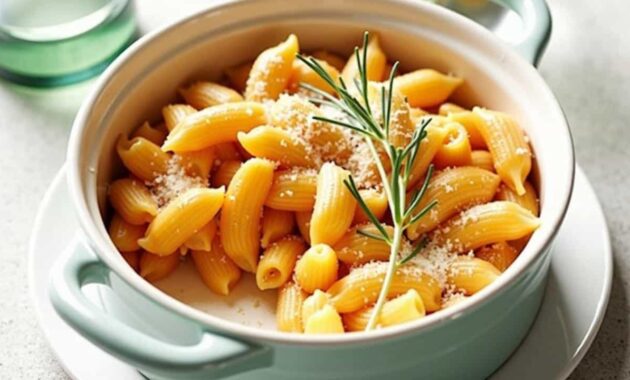
It bubbles, it smells like melted cheese and toasted crumbs, and it mysteriously turns a few cheap ingredients into a family ritual: pasta gratin. Behind this simple French classic lies a surprisingly versatile dish that can swing from student-budget traybake to showpiece main course.
The quiet power of a baked pasta dish
Pasta gratin, or gratin de pâtes, is less about strict rules and more about a method: pre-cooked pasta, a generous sauce, a topping that browns, and a short stay in a hot oven. Within that framework, almost anything goes.
Pasta gratin works because it transforms basic cupboard staples into something that feels slow-cooked, generous and shared.
In France, it is considered a classic family dish, often built from leftovers: yesterday’s roast chicken, the last slices of ham, a forgotten piece of cheese. Today, it is also becoming a strategic midweek solution for households trying to stretch food budgets without sacrificing comfort.
Choosing the right pasta for gratin
Shape matters more than many home cooks think. Short, hollow or ridged pasta traps sauce and cheese, which keeps each bite moist after baking.
- Macaroni: the old-school choice, ideal with creamy cheese sauces
- Penne: holds up well with meaty or chunky vegetable fillings
- Rigatoni: large tubes that catch mince, mushrooms or shredded chicken
- Small shells: perfect for kids, clinging onto cheese and small veg pieces
One crucial rule stands out: cook the pasta al dente, not fully soft. The oven time finishes the cooking. If the pasta is too done when it enters the dish, it will soak up every drop of sauce and the result turns dense and dry.
Slightly undercooked pasta and a generous amount of sauce are the two non‑negotiables for a juicy, not chalky, gratin.
Cheese-only gratins: the pure comfort version
For many households, the ultimate pasta gratin is unapologetically focused on cheese. No meat, no fish, sometimes just a bit of onion or garlic in the base.
Which cheeses actually melt well?
Not all cheeses behave the same in the oven. Some melt into smooth pools, while others become oily or rubbery. Blending two or three varieties can give better texture and flavour.
➡️ The surprising reason your compost smells bad and how to fix it in one step
➡️ China ‘resurrects’ a 50?year?old technology that uses 200 times less energy than digital
| Cheese | Texture when baked | Best use |
|---|---|---|
| Cheddar | Strong melt, slightly stringy | Classic mac and cheese style gratins |
| Mozzarella | Stretchy and soft, mild taste | Top layer for that “cheese pull” effect |
| Emmental / Swiss | Nutty, smooth melting | Mixed into sauce for depth of flavour |
| Parmesan | Crispy, salty crust | Sprinkled on top, not as the main cheese |
A classic French-style version often starts with a simple béchamel (butter, flour, milk), flavoured with grated cheese and nutmeg. The pasta is folded into this sauce, tipped into a dish, topped with more cheese and baked until golden.
Meaty pasta gratins: from ham to slow-cooked beef
Adding meat turns the dish into a full main course, enough on its own with just a green salad on the side.
Ham: the weeknight hero
Cooked ham remains the most common addition in France. Sliced into strips or small cubes, it blends easily with creamy sauces without overpowering them.
White ham keeps things family-friendly and mild; smoked or cured ham adds punch but needs restraint.
Smoked ham or prosciutto brings a deeper, saltier note, especially effective alongside rich cheeses. Using too much, though, can throw the seasoning off balance. A few ribbons across the top or mixed through the middle is usually enough.
Beef, chicken and sausages
Minced beef, often pre-cooked with tomato and herbs, gives something close to a lasagne in simplified form. Shredded roast chicken is another smart way to re-use leftovers and pairs well with mushrooms or leeks.
Sliced sausages or bacon pieces suit more rustic versions. They render fat into the dish, so the cook has to go lighter on added salt and butter to avoid a heavy result.
Vegetable-packed gratins: lighter but still indulgent
For those watching their meat intake, pasta gratin adapts neatly to a more vegetable-led plate without losing its comfort factor.
Popular choices include:
- Courgettes: bring moisture and a soft texture if lightly pre‑fried
- Leeks: sweet and silky when slowly sautéed before baking
- Spinach: needs draining well to avoid watering down the sauce
- Tomatoes: add acidity and juiciness, helpful with richer cheeses
- Mushrooms: deepen flavour, especially with garlic and thyme
These combinations can form the basis of vegetarian main courses. Adding pulses, such as cooked lentils or chickpeas, turns them into high‑protein one-pan meals without meat.
Fish gratins: a quieter, elegant option
Less common in the UK but standard in many French homes, fish-based pasta gratins feel slightly lighter than meaty versions but still hearty.
Chunks of salmon or cod, canned tuna, or a few prawns tucked into the dish all work well. They sit comfortably in a white wine or lemon-scented cream sauce, topped with breadcrumbs and herbs for a crisp finish.
Fish gratins suit both everyday dinners and more polished menus, all without much extra effort in the kitchen.
The key is avoiding overcooking. Most fish is already close to done by the time the dish goes in the oven, so a shorter, hotter bake helps protect texture.
How to stop your gratin from turning dry
A dry pasta gratin is the main complaint from disappointed cooks. The culprits usually fall into three categories: not enough sauce, pasta cooked too long before baking, or an oven time that drags on.
Practical tactics to keep it creamy
- Use more sauce than feels “safe” – the pasta will absorb a lot during baking
- Boil pasta 2 minutes less than packet instructions
- Cover the dish with foil for the first half of cooking, then uncover to brown
- Choose a deeper oven dish to reduce surface area and evaporation
- Add a spoonful of pasta cooking water to the sauce for extra starch and silkiness
Even the type of plate matters: a metal tray browns more quickly, while thick stoneware keeps moisture slightly better and gives a softer centre.
Fast pasta gratins for busy weeknights
Facing a midweek rush, many families adapt the traditional method. Some skip béchamel and instead mix hot cream, grated cheese and a spoon of mustard straight into the drained pasta before baking. Others rely on canned tuna, jarred tomato sauce or leftover roast vegetables to cut prep time to under 15 minutes.
Because the dish reheats well, batch cooking on Sunday is another tactic. One large gratin can serve as two or three meals, particularly for students or small households.
Beyond the recipe: nutrition, budget and household tactics
Pasta gratin sits at an interesting crossroads between comfort food and practical planning. It can be heavy in saturated fat when loaded with cheese and cream, yet the same structure can carry extra vegetables, wholewheat pasta and lean proteins without losing its pleasure factor.
From a budget angle, the dish stretches pricier ingredients. A small amount of quality ham or good cheese, combined with pasta and seasonal vegetables, can feed a table of four. Using what is already in the fridge – the last carrots, half an onion, a wedge of cheese – also helps reduce food waste.
Think of pasta gratin less as a precise recipe and more as a framework for using what you have, without it feeling like a compromise.
For parents, the dish often acts as a low-conflict way to introduce children to new flavours. Small pieces of spinach, mushroom or fish feel less intimidating when buried under a golden top. Over time, the ratio of vegetables to pasta can quietly increase, shifting the balance of the meal.
There are risks, of course: oversalting when cured meats and strong cheeses meet, or relying too heavily on cream-based versions in everyday cooking. Balancing rich gratins with lighter side salads, and varying fillings across the week, keeps the tradition enjoyable without becoming a nutritional trap.
Used thoughtfully, pasta gratin is more than a nostalgic French classic. It becomes a flexible tool: for stretching paycheques, reducing waste, smoothing over hectic evenings and bringing people, quite literally, around the same dish.