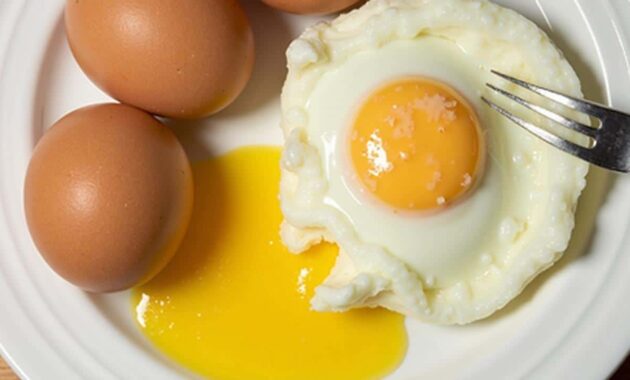
You open the fridge: not a single egg.
That moment usually means abandoning your dessert plans or running to the shop. Yet an increasing number of home cooks quietly bake, fry and whisk every day without cracking a single shell, using simple ingredients already sitting in their cupboards.
Why eggs feel “indispensable” in home cooking
Eggs play several roles at once. They add moisture, help a batter rise, bind ingredients and bring structure as they set in the heat. In some recipes they also add gloss or a golden colour.
The trick is not to copy the egg itself, but to replace the job it does in the recipe.
Once you look at it that way, the kitchen suddenly fills with options. Fruit purées replace moisture, seeds become binders, and humble chickpea water transforms into airy meringues.
Cakes without eggs: keeping that soft, tender crumb
The fear with egg-free baking is ending up with a dense brick instead of a soft sponge. Moisture and binding are the two things to focus on.
Fruit purée for moisture and lightness
Unsweetened apple sauce is one of the easiest swaps. About 60 g (roughly a quarter cup) stands in nicely for one egg in cakes, brownies or muffins.
- It keeps the crumb soft and slightly moist.
- It adds mild sweetness without dominating the flavour.
- It works well in recipes that already include spices or cocoa.
Very ripe banana, mashed with a fork, works on the same principle. Use around half a banana for each egg you’re replacing. The flavour is stronger than apple, so it pairs especially well with chocolate, nuts, peanut butter or cinnamon.
For soft, child‑friendly bakes, one mashed banana or 60 g of apple sauce often does the job of a whole egg.
Yogurt for a soft crumb and gentle tang
Plain yogurt, dairy or plant-based, can also replace eggs in many simple cakes and loaf recipes. Around 60 g per egg is a good guide.
➡️ Here is the new pastry chef succeeding François Perret at the Ritz
➡️ Inheritance: the new law coming into force in February that changes everything for descendants
➡️ Why certain plants thrive after mild stress but fail when conditions are perfect
The acidity in yogurt reacts with baking powder or bicarbonate of soda, which helps give a bit of lift. It also lends a gentle tang that suits lemon cakes, fruity loaves and light sponges.
One point to watch: yogurt adds water. If your batter looks very loose, you can reduce any other liquids slightly or add a spoonful of flour to keep the texture balanced.
Keeping cookies chunky and quiches sliceable
Seeds that turn into “egg glue”
In cookies, eggs mostly act as glue. They help the dough hold together and stop the biscuits spreading into a thin sheet in the oven.
Ground flaxseed or chia seeds are surprisingly good at this. Mix:
- 1 tablespoon of ground flax or chia
- with 3 tablespoons of water
Leave the mixture for about 10–15 minutes. It thickens into a gel that behaves very much like raw egg white.
One tablespoon of ground flax or chia plus three tablespoons of water will bind a batch of cookie dough like a whole egg.
This “flax egg” or “chia egg” adds a slight nutty note, which usually works nicely with oats, chocolate chips or spices.
Tofu for quiches, frittatas and savoury fillings
Quiches and savoury tarts often feel impossible without eggs. The custard layer seems to rely on them. In practice, silken or soft tofu can do a similar job once blended.
Use about 60 g of tofu for each egg you would normally add. Blend it with milk or plant drink, season well and pour into your pastry case with your vegetables or cheese.
Tofu sets into a sliceable but tender texture in the oven. It does not taste of much on its own, so generous seasoning makes the difference:
- Smoked paprika, garlic and herbs for roasted vegetable tarts
- Nutmeg, black pepper and grated cheese for a classic “quiche style” taste
- A pinch of turmeric for a soft yellow colour
From chickpea water to meringue: the aquafaba revolution
For years, the airy magic of whipped egg whites seemed unmatched. Then cooks started whipping the liquid from tins of chickpeas.
This liquid, called aquafaba, contains starches and proteins that trap air when beaten with a whisk. Within minutes it becomes white, glossy and firm, just like egg whites.
| Use | Egg whites | Aquafaba equivalent |
|---|---|---|
| Meringues | 1 white | 3 tbsp aquafaba |
| Mousse au chocolat | 2 whites | 6 tbsp aquafaba |
| Macarons | 3 whites | 9 tbsp aquafaba |
Three tablespoons of well‑reduced chickpea liquid usually stand in for one medium egg white in airy recipes.
Aquafaba is neutral once flavoured with sugar, cocoa or vanilla. It allows completely egg‑free meringues, mousses and even delicate macarons, as long as the rest of the recipe is adjusted for the slightly different texture.
Choosing the right substitute for the right job
Not every swap suits every recipe. A banana‑based Victoria sponge will taste strongly of banana, and aquafaba will not hold a dense loaf cake together on its own.
Thinking in terms of function helps:
- Moisture and softness: apple sauce, banana, yogurt
- Binding: flax or chia gel, tofu, mashed potato in savoury dishes
- Lift and lightness: yogurt with baking soda, aquafaba, extra chemical leavening
- Colour and richness: a little oil or melted margarine, plus turmeric for a yellow tint
Many bakers also use a small amount of cornflour or other starch alongside fruit purée. This adds extra structure, preventing the cake from collapsing as it cools.
Why people are baking without eggs in the first place
For some households the motivation is simple: the egg box is empty and the shops are closed. For others, price volatility or animal‑welfare concerns play a role. Many families now have at least one vegan, or someone with an egg allergy, sitting at the table.
Learning these swaps turns last‑minute improvisation into a normal way of cooking. A vegan friend can drop by for coffee and you can still pull a batch of cookies from the oven. A cake for a child’s party can be made safe for kids with egg allergies without looking like a “special” option.
Practical scenarios: how to rescue common recipes
The missing‑egg birthday cake
You realise you are two eggs short for a basic sponge. One option is to replace both with 120 g of apple sauce, reduce the sugar slightly and add an extra teaspoon of baking powder. The result is a soft, slightly denser cake that holds layers and frosting well.
The last‑minute quiche for brunch guests
No eggs, but there is a block of tofu in the fridge. Blend 240 g tofu with about 150 ml milk or plant drink, season heavily with salt, pepper, mustard and herbs, then pour over a blind‑baked pastry base filled with sautéed vegetables. The texture will be creamy and firm enough to slice once cooled slightly.
Some limits, risks and good habits
Egg substitutes are powerful, but not magic. Overloading a batter with moist ingredients like banana or yogurt can make it gummy in the centre. Too much aquafaba can give a slightly beany note if it is not well flavoured with cocoa, coffee or vanilla.
There is also a food safety point: aquafaba comes from canned or home‑cooked pulses. It needs to be stored in the fridge and used quickly, just like an opened tin of chickpeas. Tofu quiches or egg‑free mousses should be chilled and eaten within a couple of days.
Start by swapping one or two eggs in simple recipes, then adjust liquids and baking times based on the result.
For people new to this kind of cooking, keeping a small “substitute kit” helps: a jar of ground flax, a few tins of chickpeas, a tub of plain yogurt and some tofu in the fridge. With those on hand, the panic of an empty egg carton quietly disappears, and the oven keeps working, breakfast or dessert, egg or no egg.