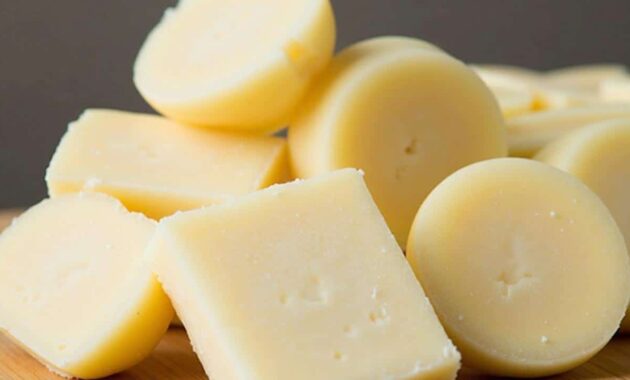
Food safety authorities have sounded the alarm over a batch of goat’s cheese sold nationwide, warning shoppers that a popular farmhouse tomme could carry a dangerous bacterium and should not be eaten.
What cheese is being recalled across France?
The alert concerns a small goat’s milk tomme, sold under the brand “La Ferme de Liègue” and marketed as “Bêêle des prés”. The cheese is sold as an individual tommette, wrapped in film with a label bearing the farm’s name.
According to the official notice on the French government recall platform Rappel Conso, the product was placed on the market between 5 December 2025 and 26 January 2026 and distributed throughout France.
Consumers who bought “Bêêle des prés” goat’s tomme from La Ferme de Liègue between early December and late January are urged to check their fridge immediately.
The cheese did not only appear on supermarket shelves. It moved through a network of specialist retailers, wholesalers and caterers, including:
- Aumand
- Ouest Frais
- La Boucherie du coin
- SAS du Bignon
- La Fée Cochette
- Olivier Jouteau
Anyone who shops at local butchers, independent cheese counters or upmarket caterers could therefore be affected, even if they do not recognise the farm name at first glance.
How to identify the affected products
The recall does not apply to all cheeses from La Ferme de Liègue, but to specific lots of the “Bêêle des prés” goat tommette. Shoppers are asked to check both the lot number and the barcode.
| Product | Brand | GTIN (barcode) | Use-by date |
|---|---|---|---|
| Goat’s milk tommette “Bêêle des prés” | La Ferme de Liègue | 3770026529294 | 11/03/2026 |
The recall covers the following batch numbers:
- CTB031125
- CTB041125
- CTB051125
- CTB291025
- CTB121125
- CTB191125
- CTB261125
- CTB281125
- CTB291125
If your cheese carries one of these batch codes, the advice is clear: do not eat it.
➡️ Heavy snow expected starting tonight, Severe Travel Disruption
➡️ Psychology reveals why nostalgia intensifies during life transitions
➡️ Why cleaning only visible mess doesn’t last
➡️ No heavy lifting, no long-distance running: here’s how to stay in shape after 60
➡️ A 7.1-magnitude earthquake strikes offshore, less than 100 km from the coast
The information can usually be found on the label or directly on the packaging film. In some small shops, staff may cut and rewrap cheese, so anyone unsure of a code is encouraged to contact the retailer who sold it.
What is the health risk linked to this goat cheese?
Tests on the recalled batches revealed microbiological contamination with Listeria monocytogenes, a bacterium that can trigger a serious infection known as listeriosis.
Listeria is particularly associated with ready-to-eat chilled foods, including soft and semi-soft cheeses. While not every exposure leads to illness, the risk is high enough for authorities to declare the cheese unsafe.
Listeria can cause a severe foodborne infection, especially dangerous for pregnant women, elderly people and those with weakened immune systems.
The first signs of listeriosis usually appear as:
- Sudden fever
- Muscle aches and body pains
- Headaches
- Sometimes digestive issues such as nausea or diarrhoea
For most healthy adults, symptoms can resemble a heavy flu. Yet for vulnerable groups, the infection may spread to the nervous system, cause meningitis or septicemia and lead to serious complications.
Who should be especially cautious?
French health authorities highlight several groups at higher risk of severe outcomes:
- Pregnant women
- Older adults, typically over 65
- People with conditions that weaken immunity (such as cancer, HIV, diabetes, or those on immunosuppressive treatments)
- Newborns and very young infants
For pregnant women in particular, the infection may show mild or even no symptoms, yet still threaten the unborn baby. This is why many prenatal guidelines advise limiting or avoiding certain unpasteurised cheeses.
What should consumers do if they have this cheese?
Anyone holding a recalled cheese at home is asked to stop consuming it immediately. The product can be taken back to the point of purchase before Thursday 26 March 2026 for a refund.
Do not taste the cheese “just to check”. If it matches the recalled details, treat it as potentially contaminated.
For questions on the recall procedure, consumers can call the dedicated number provided by the producer: 06 21 00 34 42 (French phone number).
Authorities also advise people who have already eaten the cheese and feel unwell to contact a doctor promptly. This applies especially if they are pregnant, elderly or immunocompromised and experience fever or headaches within two months of consumption.
How recalls like this usually unfold
In France, as in the UK or US, recalls often begin when routine tests pick up an unusual result, or when food safety inspectors spot a problem at a production site. Once Listeria is confirmed, the producer must work with authorities to:
- Identify which batches are affected
- Stop distribution of those lots
- Inform retailers and wholesalers
- Publish a notice so customers can recognise the product
This process can feel alarming for consumers, yet it signals that monitoring systems are functioning, especially in sectors like farmhouse cheese where products are less industrial but still carefully checked.
Why goat cheese is often seen as “easier to digest”
Goat’s cheese enjoys a strong reputation among cheese lovers in France and abroad. Many people describe it as lighter than some cow’s milk cheeses and feel it sits better with them.
There are a few reasons for this perception. Goat’s milk tends to have smaller fat globules and a slightly different protein composition, which some people find gentler on the gut. The characteristic tang, especially in more mature goat cheeses, also brings a sense of freshness and cuts through richer dishes.
From a cultural angle, France’s hundreds of regional cheeses include many iconic goat varieties. They often tie into centuries-old practices in rural areas where goats thrive on scrubby pastures unsuitable for cows.
Balancing tradition and food safety
Traditional cheeses, whether from France, Britain or elsewhere, rely heavily on local know-how. Small variations in temperature, humidity or ripening time can transform flavour and texture. At the same time, these artisanal methods must stay compatible with modern food safety standards.
Raw-milk and soft cheeses are more sensitive products. They need strict hygiene at the farm and dairy, careful control of storage temperatures, and regular microbiological testing. Recalls like this typically lead producers to review cleaning routines, milk handling and ripening conditions.
Food safety controls do not aim to erase traditional cheese culture, but to keep it alive without putting consumers at unnecessary risk.
For cheese fans, this incident offers a reminder of a few practical habits. Keeping the fridge at the right temperature, respecting use-by dates and avoiding cross-contamination between raw foods and ready-to-eat items all help reduce risk at home. For example, storing soft goat cheeses on a separate shelf or plate prevents juices from raw meat or unwashed vegetables from dripping onto them.
At the same time, knowing the names and labels of favourite cheeses can be helpful. When a recall hits, regular customers of artisan shops are often quickest to check their fridge and bring products back. That responsiveness limits waste, shortens the recall period and reinforces trust between small producers and their clientele.
Originally posted 2026-03-09 06:10:00.