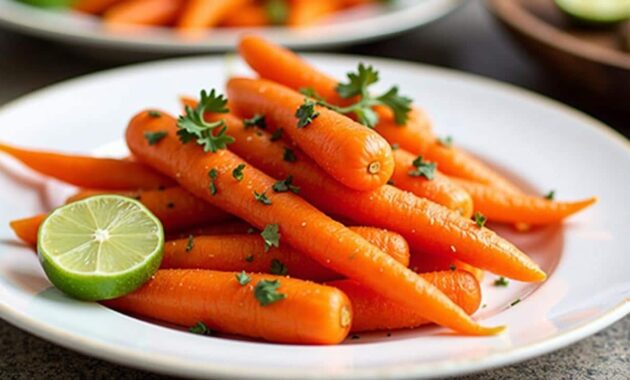
Across France’s most demanding dining rooms, carrots are being quietly rewritten as a luxury garnish. Not through foams, gels or high-tech tricks, but with an ultra-classic method that any home cook can pull off on a Tuesday night.
Why chefs are suddenly obsessed with carrots
Carrots used to be the dependable background actor on the plate, there to add colour and a bit of sweetness. In fine dining today, they’re moving centre stage.
Much of this shift traces back to chefs like Joël Robuchon, who championed simple produce and traditional French recipes. In his 1986 book “Ma cuisine pour vous”, Robuchon elevated the carrot from side note to signature garnish, treating it with the same respect as a prime cut of meat.
That legacy now runs through some of France’s most prestigious menus. At L’Auberge de l’Ill in Alsace, a two‑Michelin‑star institution led by Marc Haeberlin, carrots appear alongside fillet of sea bass, pumpkin quenelles and a juniper-scented sauce. In Marseille, at AM, the three‑star restaurant of chef Alexandre Mazzia, a similar preparation slips into seasonal tasting menus, paired with fish, shellfish or slow-cooked meats.
Chefs are not transforming carrots with complicated techniques; they’re doubling down on one ultra-classic French move: glazing.
The secret: carrot “glacées”, the three-star side dish
The fancy-sounding technique behind these restaurant carrots is surprisingly straightforward. They are simply carottes glacées – glazed carrots – cooked gently in butter and their own juices until they turn glossy, tender and intensely flavoured.
This method gives them a gentle sweetness, a silky texture and a shiny coating that clings to the fork. They look luxurious on the plate, but the ingredient list is short and the steps are easy.
The basic restaurant method, step by step
Chef Quentin Farez, trained at the prestigious École Ferrandi in Paris, uses a classic approach that home cooks can mirror. Here is the core technique, broken down.
- Choose the carrots: Use firm, fresh carrots. Either peel standard carrots and cut them into equal batons, or go for small new carrots and keep them whole.
- Standardise the size: Cut longer carrots lengthways into uniform pieces. Equal size means even cooking and a cleaner presentation.
- Start with fat and aroma: Place the carrots in a frying pan or shallow saucepan with a generous knob of butter, a bay leaf and a lightly crushed garlic clove.
- Gently cook: Let the carrots begin to soften in the butter over medium-low heat, coating them regularly.
- Deglaze: Instead of water or stock, add carrot juice. This reinforces the vegetable’s natural sweetness and intensifies flavour.
- Cover and simmer: Put a lid on and let them cook slowly over low heat for about 20 minutes.
By the end, the liquid reduces into a syrupy glaze. The carrots appear shiny and slightly bronzed, their surface coated in a butter-rich, sweet-savoury sauce.
➡️ Fried eggs that never stick: the flour trick, no butter or water
➡️ Why your homemade pizza dough feels wrong and the simple timing trick that fixes it
➡️ Archaeologists have uncovered a medieval tunnel carved into a 6,000‑year‑old burial site
➡️ This simple Mediterranean cucumber salad tastes better after resting for 30 minutes
Well-glazed carrots should look almost varnished: bright, silky and just tender enough to offer a gentle bite.
How to make glazed carrots work at home
The technique is forgiving, but a few details make the difference between “nice” and restaurant-level.
Key details that chefs never skip
| Point | Chef-style tip |
|---|---|
| Heat | Keep it low to medium. Too fierce and the butter burns before the carrots soften. |
| Liquid | Carrot juice adds depth; if you use water or stock, add a pinch of sugar to mimic sweetness. |
| Seasoning | Salt early to draw out flavour, then adjust at the end once the glaze has concentrated. |
| Finish | Right at the end, swirl the pan off the heat so the glaze slightly thickens and coats each piece. |
Once cooked, the carrots can go directly onto the plate, nestled next to grilled fish or braised meats. Spoon the buttery juices over them and across the protein. The result is a sweet-savoury bridge between the main element and the side.
Pairing glazed carrots with fish, meat and more
Across French menus, chefs often match glazed carrots with delicately cooked seafood. The natural sweetness plays well with the clean, mild flavour of white fish like sea bass or cod.
They also stand up beautifully to richer dishes. With slow-braised beef or lamb, the glossy carrots cut through the heaviness, especially if the glaze carries herbal or citrus notes.
Easy pairing ideas for a home menu
- Grilled fish: Serve glazed carrots alongside a simply grilled fillet and a squeeze of lemon.
- Roast chicken: Place the carrots under the jointed bird for the final 10 minutes so juices mingle.
- Braised dishes: Pair with beef stew or lamb shanks, using some braising liquid to thin the glaze if needed.
- Vegetarian plate: Combine with a lentil salad, toasted nuts and a spoonful of yogurt or labneh.
Think of glazed carrots as a flavour anchor: their gentle sweetness connects sharp, salty and rich elements on the plate.
Variations chefs use to keep carrots interesting
Once the core technique is mastered, small tweaks can give the dish a new mood without adding complexity.
Flavour twists worth trying
- Citrus lift: Add a strip of orange zest to the pan, remove it before serving.
- Spice warmth: Drop in a few coriander seeds or a tiny pinch of cumin during cooking.
- Herb finish: Scatter chopped chervil, tarragon or flat-leaf parsley on top just before serving.
- Nutty crunch: Toasted hazelnuts or almonds on the plate add texture and richness.
All of these keep the spirit of the classic French method, while adapting it to your own taste and what you have in the cupboard.
Glazing, demystified: what actually happens in the pan
The term “glazed” can sound technical, but the science is simple. As the carrots cook, they release water and natural sugars. The carrot juice and butter bring more liquid and fat.
With the lid on, the moisture stays trapped, softening the carrots. As the heat gently evaporates the liquid, the sugars and butter concentrate. The starches in the vegetables help the liquid cling to the surface, creating that smooth, shiny coating.
Glazing is really controlled evaporation: you reduce liquid just enough so it clings, not so far that it burns.
Practical tips, plus a realistic home-cooking scenario
Imagine a weekend dinner where you want something that feels restaurant-ish but you still plan to cook in jeans and trainers. You buy a good fillet of white fish, a bunch of carrots and a lemon. That’s enough.
Start the carrots first: cut, butter, bay, garlic, carrot juice, lid on. While they simmer quietly, heat a second pan, season the fish and sear it skin-side down. By the time the fish is cooked, your carrots should be soft and glossy. You lift the lid, swirl the pan, then spoon them onto warm plates beside the fish. Lemon over the top, glaze spooned around. The whole thing takes around half an hour and looks far more planned than it was.
For those cautious about butter, you can reduce the amount and add a splash of olive oil. The glaze will be a little lighter, but the method still works. Another option is to use a knob of butter at the start for flavour, then finish with a small extra piece off the heat to enrich the sauce without prolonged frying.
Used this way, carrots stop being the afterthought at the edge of the plate. They become the quiet link between home cooking and fine dining: same vegetable, same kitchen, but with a chef’s touch of attention.