Yet a quietly revived peasant recipe is starting to steal the spotlight, offering deep comfort, big flavour and far fewer calories.
A rustic rival to gratin dauphinois
In France, winter usually means mountains of potatoes drowning in cream. Gratin dauphinois has long ruled the table: silky, rich and unapologetically heavy. TV chef and food broadcaster Laurent Mariotte has built a reputation on simple, seasonal cooking, and even he admits the classic gratin can be a bit much when you are trying to eat lighter.
This season, Mariotte is backing an old rural recipe: “pommes de terre boulangères”, or baker-style potatoes, a dish that keeps the comfort of gratin while slashing the fat.
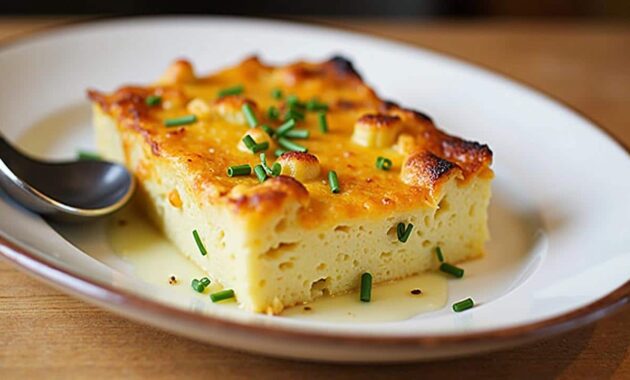
Instead of cream and cheese, the potatoes are slowly baked in stock with onions, garlic and a little butter. The result looks similar to a gratin when it comes out of the oven: golden on top, soft underneath, with layers you can lift by the spoonful. Yet the plate feels lighter, and the flavour leans more towards roasted vegetables and caramelised onions than pure dairy.
Where the “baker’s potatoes” come from
The name is no marketing trick. Historically, French villagers without home ovens prepared their potatoes in earthenware dishes and carried them to the village baker. The tray would slip into the still-warm bread oven after the day’s loaves, cooking slowly in the residual heat while people worked.
That long, gentle baking shaped the character of the dish. The potatoes soften without disintegrating. The stock reduces and concentrates. Onions turn sweet and almost jammy. No cream is needed, because the starch in the potatoes and the slow evaporation naturally thicken the cooking juices.
Why it undercuts gratin dauphinois on calories
Gratin dauphinois typically calls for double or heavy cream and often a generous layer of cheese on top. That combination pushes energy and saturated fat sky-high for what is technically a side dish. Baker-style potatoes swap most of that dairy for stock, with only a modest amount of butter.
- Gratin dauphinois: cream-based, often with cheese, rich in saturated fats
- Pommes boulangères: stock-based, mostly vegetables, small amount of butter
- Texture: both are soft and comforting, but boulangères feel less heavy after a full plate
For diners trying to cut back without feeling punished, baker’s potatoes offer that crucial sense of indulgence while trimming the excess.
Laurent Mariotte’s light take for four people
Mariotte’s version sticks closely to the traditional base but sharpens the technique. Here is the core ingredient list he recommends for four people:
- 1 kg potatoes
- 2 onions
- 1 garlic clove
- 40 g butter
- 50 cl white stock (or chicken/vegetable stock)
- 1 bouquet garni (herb bundle, usually thyme, bay and parsley)
- Salt
- Black pepper
On paper, it could not look simpler. The magic lies in how the ingredients are sliced, layered and seasoned.
➡️ Sophie Adenot: the extraordinary path of France’s next female astronaut
➡️ A Legendary Diamond Resurfaces In An Old Habsburg Suitcase
➡️ Many households waste money by using appliances at the wrong time of day
➡️ If your compost feeds plants but weakens soil structure, this is the cause
➡️ Dogs don’t like certain people surprisingly sometimes and there’s an explanation
➡️ Electric bike fans will hate this these essential accessories prove the bike is the cheapest part
Step-by-step: how the chef builds flavour
First, the oven is preheated to 180°C in conventional mode. While it heats, the potatoes, onions and garlic are peeled. The potatoes are cut into thin, even slices. That uniformity matters: thicker slices stay firm while the rest collapse, giving a patchy result.
The slices are seasoned straight away with salt and pepper. This early seasoning allows the salt to start working on the potato’s surface, drawing out a little moisture and seasoning the dish from the inside out.
Next, onions are sliced finely and softened slowly in melted butter over low heat. This is not a quick stir-fry. The aim is to let them sweat and become tender, almost melting, without browning too fast. They bring sweetness and body to the dish, compensating for the absence of cream.
While the onions cook, the gratin dish is prepared. The garlic clove is cut or crushed, then rubbed vigorously over the entire interior of the dish. This classic French trick perfumes the potatoes subtly without leaving harsh garlic chunks. The dish is then generously buttered to prevent sticking and give the top layers a gentle, nutty flavour.
The layering comes next: a layer of potatoes, then a layer of buttery onions, and so on until everything is used. The bouquet garni is tucked into the middle of the dish like a secret. Stock is heated separately, then poured carefully until it just reaches the height of the potatoes.
The tray goes into the oven for around 60 to 75 minutes. During this time, the stock simmers gently, the starch seeps into the liquid, and the top begins to colour. For those who like a crisp finish, a short blast under the grill at the end deepens the golden crust.
How healthy is it really?
Calling any potato dish “diet food” would be stretching it, but the differences here are significant. Stock contains a fraction of the calories of cream. Butter appears in sensible quantity and is spread across the entire tray instead of being the core of the sauce.
| Aspect | Gratin dauphinois | Pommes boulangères |
|---|---|---|
| Main liquid | Double/heavy cream | Stock (chicken, vegetable or white stock) |
| Fat content | High, mostly from dairy | Moderate, mostly from butter |
| Texture | Very rich, almost sauce-like | Juicy, light, with reduced stock |
| Best use | Occasional meal centrepiece | Weeknight side or main with veg |
Paired with a simple roast chicken or a pile of steamed greens, baker’s potatoes give a satisfying plate that still fits a lighter eating plan.
Variations that keep the spirit but change the profile
Once the base method is understood, home cooks can adapt the dish to their own kitchens. Some add thin slices of carrot or leek between the potato layers for extra colour and fibre. Others switch the butter for a drizzle of olive oil to reduce saturated fat further and bring a Mediterranean note.
Different stocks change the character completely. Vegetable stock keeps things vegetarian and light. Chicken stock gives a more savoury depth, closer to a Sunday roast. A well-skimmed homemade stock lets you control salt levels, which can climb quickly with cubes or concentrates.
Common mistakes with potato dishes
Poor potato cookery often starts before the oven. Using the wrong type of potato can make any layered bake disappointing. Waxy potatoes hold their shape but may stay a bit firm. Floury types break down more, thickening the liquid but risking a mushy end result.
Cutting uneven slices is another recurring issue. Thick chunks cook slower, so by the time they soften, thin slices have disintegrated. A mandoline or a sharp knife and patience give a far better texture. Skipping the preheated oven can also cause problems: the dish starts to steam instead of simmer, leading to a pallid, flat-tasting result.
Practical tips for home cooks
For readers trying the recipe in a small oven or on a busy weeknight, a few adjustments help:
- Par-cook sliced potatoes in simmering stock for 5–7 minutes to cut oven time.
- Use a wide, shallow dish so liquid reduces more readily and the top browns faster.
- Let the dish rest 10 minutes after baking so the juices settle and slices hold together.
- Season carefully: stock can be salty, so always taste before adding extra salt.
Those watching their diet can also play with portion sizes. A generous spoonful of baker’s potatoes next to lean protein and vegetables brings comfort without dominating the plate. The same volume of cream-laden gratin would hit much harder.
There is also a social angle: the recipe is highly scalable. Double the quantities, use a larger dish, and you have a side that feeds eight people with almost no extra effort. For winter gatherings where guests have mixed dietary concerns, this sort of “quietly lighter” dish can be a diplomatic choice that still feels festive.
For anyone used to reaching automatically for cheese and cream when the thermostat drops, baker’s potatoes offer a different habit. The technique leans on slow heat, careful slicing and patient seasoning rather than richness alone. It fits neatly into a more balanced way of eating while staying loyal to that old, comforting promise: a bubbling potato dish in the middle of the table when the nights are long.