Many people miss the signs until routine checks raise questions.
The condition sits quietly for years, yet it is becoming common in younger adults. Knowing the subtle symptoms, the risks that push it along, and the tests that reveal it can change the course early.
What fatty liver is
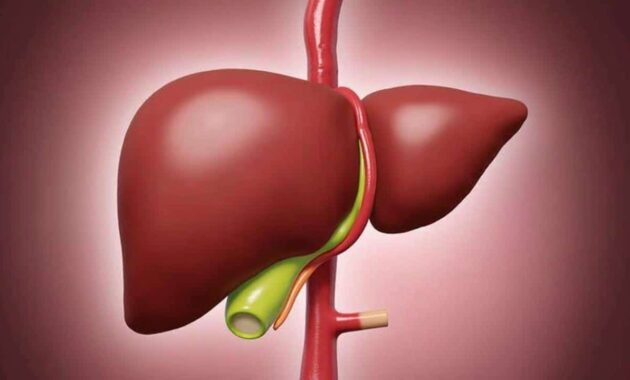
Fatty liver, now widely referred to as metabolic dysfunction–associated steatotic liver disease (MASLD), happens when too much fat is stored inside liver cells. The liver filters toxins, digests fats, balances blood sugar, and stores vitamins. When fat crowds those jobs, inflammation can follow. Scarring can build over time and, in some people, advance to fibrosis and cirrhosis.
The condition links closely with weight gain around the waist, high blood sugar, high blood pressure, and abnormal cholesterol. Alcohol can add fuel, but MASLD also affects people who drink little or not at all.
About one in three people worldwide carry excess fat in the liver. Most feel nothing at the start.
Who faces higher risk
Some profiles tip the balance toward liver fat. Spotting yourself in one or more of these makes screening worth it:
- Central obesity or a rising waist size
- Type 2 diabetes or prediabetes
- High blood pressure or raised triglycerides/low HDL
- Polycystic ovary syndrome and weight cycling
- Sleep apnoea, snoring with daytime sleepiness
- Hypothyroidism or rapid weight loss from crash diets
- Certain medicines (for example, long-term steroids, amiodarone, tamoxifen, methotrexate)
- Family history of fatty liver, fibrosis, or cirrhosis
Children and teens are not exempt. Sedentary routines and sugary drinks raise the odds early, which matters because the disease often tracks into adult life.
Symptoms you may notice
Early stages rarely hurt. Many people feel well. When inflammation develops, signals tend to be vague and easy to blame on a busy week:
- Persistent tiredness or low energy
- Discomfort or a dull ache under the right rib cage
- Nausea, especially after fatty meals
- Abdominal bloating or a heavy, full feeling
- Indigestion and a sense that rich foods “sit” in the stomach
- Sleep disturbance, including insomnia or daytime drowsiness
- Raised liver enzymes (ALT, AST, GGT) on blood tests
No pain does not mean no problem. A quiet liver can still be inflamed.
Warning signs that need urgent care
- Yellowing of the eyes or skin
- Swollen legs or a tense, growing abdomen
- Confusion, extreme sleepiness, or new personality changes
- Vomiting blood or black, tar-like stools
These point to advanced disease or a different emergency and require prompt assessment.
➡️ Scientists found evidence of a second magnetic field surrounding our planet
➡️ I learned it at 61 : few people know the difference between white eggs and brown eggs
How doctors check for it
Clinicians start with your history, medicines, weight pattern, and alcohol intake. They look for metabolic risk and exclude other causes of liver disease. A few simple tests offer a clear first pass.
| Test | What it shows | Why it matters |
|---|---|---|
| Blood tests (ALT, AST, GGT, platelets, glucose, lipids) | Signals of liver stress and metabolic load | Flags risk and helps build non-invasive fibrosis scores |
| Ultrasound | Bright, fatty appearance of the liver | Common first look; also rules out other structural issues |
| FibroScan or shear wave elastography | Liver stiffness and fat content | Estimates scarring without a biopsy |
| MRI-based fat quantification | Precise liver fat percentage | Useful in complex cases or research settings |
Doctors may order viral hepatitis screens, check iron stores, and consider autoimmune markers. When tests suggest severe inflammation or advanced scarring, a liver biopsy can clarify the stage. If inflammation with cell injury is present, clinicians may use the term MASH (metabolic dysfunction–associated steatohepatitis).
Food, movement and habits that help
Small, consistent changes beat short bursts. The goal is to reduce liver fat, quiet inflammation, and lower heart risk.
- Aim for 7–10% weight loss over six to twelve months if you live with excess weight.
- Favour a Mediterranean-style pattern: vegetables, legumes, whole grains, nuts, olive oil, fish.
- Cut back on added sugars, especially sugary drinks and desserts rich in fructose.
- Choose lean protein at most meals to support satiety and muscle.
- Use healthy fats in modest amounts; skip deep-fried foods.
- Have coffee if you tolerate it; two to three cups link with a lower liver risk.
- Move most days. Combine brisk walking or cycling with two short strength sessions weekly.
- Set a regular sleep window and treat snoring or sleep apnoea if present.
A 7–10% weight reduction often shrinks liver fat and can improve inflammation and early scarring.
Supplements promise a lot. Many do little and some harm the liver. Discuss any pill or powder before starting it.
What treatment looks like
Lifestyle is the core treatment. Medicines target the drivers around it. For people with diabetes, pioglitazone can help selected cases of liver inflammation. Vitamin E may help non-diabetic adults with biopsy-proven disease, with careful discussion of risks. Statins remain safe for most people with fatty liver and protect the heart, which is the main long-term threat.
Newer weight-loss drugs such as GLP‑1 receptor agonists and dual agonists reduce body weight and liver fat in clinical trials. They also improve blood sugar. Access and eligibility vary, and treatment should be guided by a clinician who tracks both liver and cardiometabolic health.
Everyday switches that add up
- Swap fizzy drinks for sparkling water with lemon.
- Build half your plate with green, red, or orange vegetables.
- Cook with olive oil, not butter, and use less of it.
- Walk 10 minutes after meals to blunt glucose spikes.
- Keep dinner earlier and avoid grazing late at night.
Extra context you can use
Names are changing. Many specialists now use MASLD and MASH instead of NAFLD and NASH to reflect the metabolic roots and to destigmatise the condition. The shift also sharpens research on people with modest alcohol intake but dominant metabolic drivers.
Cardiovascular disease remains the leading risk tied to fatty liver. That means blood pressure, cholesterol, smoking status, and sleep apnoea matter as much as the liver picture. Tackling them together protects the brain, heart, and liver in one plan.
Alcohol and liver fat interact, even at lower levels. If you already have fatty liver, limiting or pausing alcohol often helps the numbers and the way you feel. A brief trial of abstinence can be a helpful self-check guided by your clinician.
For parents, watch the basics: fewer sugary drinks, more outdoor time, and family meals. Children respond quickly to changes at home, and early course-correction can spare problems later.