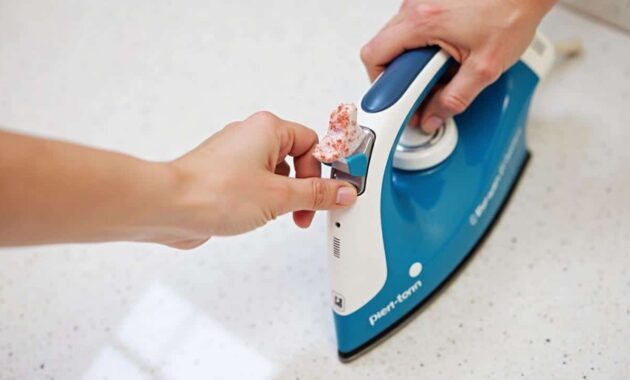
That dusty iron at the back of the cupboard may be hiding a surprising second career, far away from neatly pressed shirts.
Across homes, people battle water marks, stubborn wax and mystery smells with sprays and elbow grease, while a far simpler tool sits unused: the household steam iron. When handled with care, its focused heat and controlled steam can rescue wood, fabric and even wallpaper — with barely any scrubbing involved.
The household iron, an unlikely cleaning ally
Most of us see an iron as a one-trick appliance. It smooths creases, then goes back into storage. Yet the combination of a hot soleplate and bursts of steam can act like a miniature cleaning station, softening residues and lifting stains into a cloth instead of into the bin.
Heat and steam from an ordinary iron can loosen wax, glue, fibres and odours, so they transfer into a cloth rather than stay stuck to surfaces.
Used carefully, this approach can extend the life of furniture, carpets and soft furnishings, while cutting down on chemical cleaners. The key is to keep a barrier between iron and surface, and always start on the lowest heat.
On wood and hard surfaces: rings, wax and sticky glue
1. Fading white water rings from wooden tables
Those pale rings left by a hot mug or a cold glass can make a coffee table look permanently tired. They often come from moisture trapped in the finish, rather than damage to the wood itself.
Place a thin cotton cloth over the ring, set the iron to low heat with steam switched off, and move it gently in small circles. Lift the cloth every few seconds to check progress. As the finish warms, trapped moisture can disperse and the mark usually softens or fades.
- Use only light pressure.
- Never iron directly on bare wood.
- Stop if the finish turns sticky or darker.
This method suits varnished or lacquered tables better than raw timber or oiled finishes, which can react unpredictably to heat.
2. Lifting candle wax from tablecloths and carpets
Spilled candle wax looks dramatic, but it can be coaxed out without scraping the fabric to death. First, let the wax cool fully and gently remove the thickest chunks with a spoon or card.
Then lay a sheet of baking paper or a clean tea towel over the remaining stain. Set the iron to a low or medium setting, without steam, and press briefly on top of the barrier. The wax softens, liquefies and soaks upwards into the paper or cloth.
➡️ Spain turns an engineering constraint into a new turbine-free source of hydropower for humanity
➡️ Iranian missile output far outstrips Israeli and US interceptor production capacity
➡️ Waterlogged, spongy lawn: the discreet underground system that finally fixes the problem
➡️ Furniture marks on the carpet: this freezer trick leaves everything looking new in 10 minutes
➡️ 10 years younger effect”: the best short haircuts to wear after 50
➡️ Salt-and-pepper hair: 5 tricks to make your natural grey look incredible
Repeated short presses with an iron draw melted wax into a sacrificial cloth, leaving the underlying fabric cleaner and less greasy.
Move to a clean part of the paper and repeat until no more wax transfers. This works on tablecloths, rugs and some carpets, though delicate fibres such as silk or high-pile wool need extra caution.
3. Softening sticker residue on jars and shelves
Adhesive labels often leave murky patches of glue that resist washing-up liquid. Heat turns that stubborn tackiness into something you can simply wipe away.
Cover the sticky area on glass, metal or a sturdy shelf with baking paper. Set the iron to low heat and glide over the paper for a few seconds. The glue underneath warms, softens and can then be removed with a clean cloth.
Skip this trick on thin plastics, varnishes that already peel, or anything that warps easily. A brief test on a discreet corner is always wise.
4. Helping old wallpaper loosen its grip
Stripping wallpaper can quickly slide from weekend project into nightmare. Steam loosens old adhesive, and a standard iron on steam mode can offer a budget alternative to a professional steamer.
Hold the iron a short distance from the wall, using maximum steam but without touching the paper. Focus on seams and edges, letting the warm vapour penetrate for several seconds. Then use a scraper to gently lift and peel away the softened strip.
Work in small sections so the glue stays warm. Too much moisture in one area risks softening plaster, so restraint matters here.
On carpets and textiles: dents, stains and stale smells
5. Reviving carpet dents from heavy furniture
Deep marks from chair or sofa legs flatten carpet fibres and can outlast the furniture itself. A mix of moisture and heat can coax them back upright.
Lightly dampen a clean cloth and place it over the dent. Set the iron to a medium setting with gentle steam, then press on the cloth for around a minute, keeping the iron moving slightly. The combined warmth and moisture relax the fibres, letting them plump up again.
Afterwards, fluff the area with a soft brush or even your fingers. On synthetic carpets, shorter bursts are safer, as they can deform if overheated.
6. Transferring stains out of rugs with a vinegar solution
Some carpet spots linger even after blotting and traditional cleaners. The iron method aims to pull the stain into a separate cloth instead.
Mix one part white vinegar with three parts water. Dampen a white cloth with the solution — coloured fabrics might bleed dye — and place it over the stain. Set the iron to steam on a moderate temperature and press for about 30 seconds.
The goal is to drive the warm cleaning solution through the fibres so the stain migrates upwards into the cloth rather than sinking deeper.
Lift the cloth and check for colour transfer. If the mark is lighter and the cloth darker, you are heading in the right direction. Repeat with a fresh section of cloth until no more stain moves.
7. Freshening cushions, throws and curtains between washes
Bulky items like sofa cushions, heavy throws or lined curtains can be awkward to launder. Steam from an iron can help reduce odours and surface bacteria between proper washes.
Set the iron to steam and hold it a few centimetres away from the fabric, never pressed flat against it. Sweep slowly across the surface, allowing the vapour to penetrate but avoiding soaking the material.
This gentle steaming can soften creases, loosen light dirt and reduce musty smells after pets, cooking or a gathering. It does not replace deep cleaning, but it extends the time between those bigger jobs.
Basic rules before turning the iron into a cleaning tool
These tricks only work safely with a few habits in place. A dirty soleplate can transfer burnt particles or rust straight onto fabrics and wood, so cleaning the plate regularly makes a difference. Hard tap water encourages limescale inside the iron, so many manufacturers recommend filtered or demineralised water instead.
| Do | Why it matters |
|---|---|
| Test on a hidden area first | Checks how finishes and fibres react to heat and steam |
| Keep the iron moving | Prevents scorching and shiny patches |
| Use a cloth or paper barrier | Stops direct contact with wood, carpet or upholstery |
| Unplug and cool fully after use | Reduces fire risk and keeps children safe |
Equally, some surfaces should not meet an iron at all. Thin plastics, delicate veneers, already peeling wallpaper or high-shine piano finishes are better treated by other methods, even if the temptation to speed things up is strong.
Why heat and steam work on stains and smells
Behind these household tricks lie simple physical effects. Heat softens wax, glue and some finishes, so they shift more easily. Steam adds moisture, helping to swell fibres in carpets or textiles, releasing dents and allowing dirt to move.
Odours often cling to fabrics via oils or organic particles. Warm vapour helps break those bonds and can kill some microbes, especially when combined with cleaning agents like diluted vinegar. That is why steamed cushions or curtains often smell fresher very quickly.
When to skip the iron and choose another method
There are moments when restraint saves a bigger repair bill. Antique wooden furniture, silk rugs, leather upholstery and high-end wallpapers can react badly to heat. In those cases, a professional cleaner or restorer is safer than improvisation.
People with respiratory sensitivities should also be cautious with steaming, as it can release old dust or cleaning chemical residues into the air. Ventilating the room and using plain water instead of fragranced products keeps things gentler.
Used thoughtfully, these seven detours turn a neglected iron into a flexible maintenance tool. They will not fix every mark or odour, but they open an unexpected set of options before you reach for harsh products or throw something away.