The cabbage sat in the back of the crisper drawer like a small, guilty secret. You know the one: bought with good intentions, forgotten behind the yogurt, slowly drying at the edges. When I finally pulled mine out one weeknight, I sighed, already bracing for the usual boiled, bland, slightly sulfurous side dish. My partner raised an eyebrow. “We really eating that tonight?” he asked, half joking, half pleading for mercy.
I almost gave up and ordered takeout.
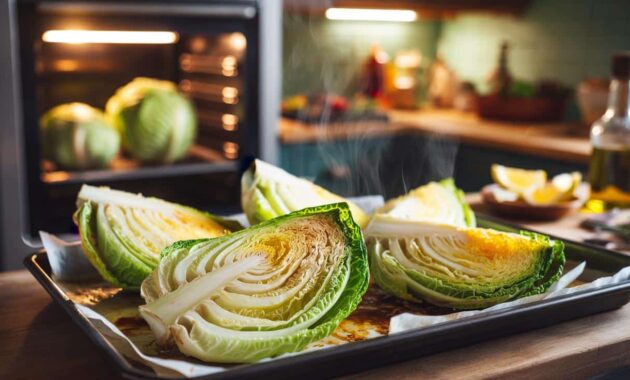
Instead, on a whim, I did something different: I cranked the oven up, sliced the cabbage into fat wedges, and roasted it until the edges curled and browned. Thirty minutes later, the kitchen smelled like caramel and toasted nuts. We took a bite.
Wait. Since when was cabbage… sweet?
The old school trick that turns cabbage into candy (almost)
A lot of us grew up with cabbage as that watery thing floating in soup or that heavy, vinegar-soaked slaw at family barbecues. It filled you up, but it didn’t exactly make your heart beat faster. Yet the same humble head you rush past in the supermarket can taste shockingly sweet if you treat it like you would a good steak or a tray of cookies. High heat, time, and a bit of patience change everything.
This is the forgotten way to cook cabbage: roasting it hard and fast until it goes from pale and squeaky to bronzed and gently sweet.
I first saw it at a tiny bistro where the main course was… roasted cabbage as the star of the plate. No bacon, no cream, just thick wedges, almost charred at the tips, nestled on a plate with a drizzle of olive oil and a squeeze of lemon. People were paying real money for this. And they were happy about it.
When my plate arrived, I expected a sad, worthy vegetable moment. Instead, I got something closer to grilled corn meets caramelized onion. Soft in the middle, crisp at the edges, and that faint sweetness that makes you go back for another bite without thinking. I watched a guy at the next table mop up the cabbage juices with bread. That’s when I realized I’d been cooking this vegetable wrong for decades.
There’s a simple reason the roasting trick works so well. Cabbage is naturally full of sugars, but when it’s boiled or steamed, those sugars stay hidden behind water and sulfur compounds. Expose it to intense dry heat and those sugars start to caramelize. The moisture slowly evaporates, the leaves shrink, and the flavors concentrate instead of being washed away.
It’s the same logic as roasted carrots or onions. Different vegetable, same quiet magic. **Heat, time, and contact with the pan do what no dressing or fancy sauce can.** Suddenly that budget vegetable tastes rich, almost indulgent, and your brain keeps asking, “Wait, this is cabbage?”
➡️ This high-end Decathlon electric mountain bike just dropped by €500
➡️ Nutritious and functional: sweet potato goes beyond the traditional plate
➡️ Keeping a bowl of vinegar uncovered overnight can affect indoor smells by morning
➡️ Scientists amazed observing octopuses using tools in the wild in ways rarely documented before
➡️ Shocking: How 1 Drop of This £299 Oil Erased My Under-Eye Bags Overnight – Before/After Proof
Exactly how to roast cabbage so it turns meltingly sweet
Here’s the move. Grab a firm head of green or Savoy cabbage. Slice it into thick wedges, about 3–4 cm, keeping the core attached so the leaves hold together. Lay the pieces flat on a baking tray, giving them breathing space. Then drizzle with olive oil, rub it in a bit with your hands, and sprinkle salt generously. Don’t be shy.
Crank your oven to 220°C (425°F) and slide the tray onto the middle rack. Leave it alone for 20 minutes. Then flip each wedge and roast another 10–15 minutes until the edges are dark brown and the thickest part of the stem yields to the tip of a knife. That deep browning is your sweetness developing.
This is where most people hesitate. They see blackening edges and panic, pulling the tray out too soon. The cabbage is still pale, a bit rubbery, and yes, still “cabbagey.” You eat it, you nod politely, and you never try the recipe again. I get it. We’ve learned to fear color on vegetables, as if browning means failure.
Truth is, those nearly-burnt bits are where the flavor lives. Let’s be honest: nobody really does this every single day. We overcook pasta, we under-roast vegetables, we rush because we’re hungry and tired. Give this one vegetable a few extra minutes, though, and you’ll taste the difference in a single forkful.
*The small details turn this from a decent side into a dish you crave.* As soon as the cabbage comes out, hit it with something bright: lemon juice, a splash of vinegar, or even a spoonful of plain yogurt on the side. That contrast between sweet and sharp is what makes your palate light up.
Roasted cabbage went from “eat your vegetables” to “please pass the cabbage” in one dinner at my place. As a friend told me after trying it, “If my grandmother had cooked it like this, I would’ve stopped complaining years ago.”
- Use high heat (at least 200–220°C / 400–425°F) for proper caramelization.
- Cut thick wedges so the edges crisp while the inside turns soft and sweet.
- Season simply: oil, salt, and acidity at the end beat heavy sauces.
- Give it time; color on the edges means flavor, not failure.
- Serve it like a “main” once, not just a side, and watch the reaction at the table.
Why this tiny shift changes how you see “boring” vegetables
Once you’ve tasted cabbage this way, something quietly rewires in your kitchen habits. That forgotten head in the fridge stops feeling like punishment and starts looking like potential. You realize you don’t need complicated recipes, just a different treatment. High heat instead of boiling water. A pan and some patience instead of a pot and a lid.
We’ve all been there, that moment when you stare into your fridge at 8:30 p.m., convinced there’s “nothing to eat,” while an entire meal sits there disguised as a sad vegetable.
This roasting trick doesn’t just work on cabbage. It nudges you to rethink the usual suspects: limp carrots, lonely onions, that half cauliflower you meant to “do something nice with.” Once you see how sweetness hides inside a “cheap” vegetable, you stop treating them like sidekick material and start giving them the main character slot.
**Your grocery bill doesn’t spike, your cooking skills don’t need to be fancy, yet your everyday dinners taste strangely more luxurious.**
The next time you open the fridge and see a plain head of cabbage staring back, you might remember that caramelized tray from last time. You might crank the oven on almost without thinking, slice, oil, salt, and let the heat do its work while you check your messages or set the table. And then, as that roasted, sweet smell drifts through the house, you might feel a small, unexpected flicker of pride.
Not because you followed a perfect recipe. Because you rediscovered something simple and almost forgotten, and made it your own.
| Key point | Detail | Value for the reader |
|---|---|---|
| High-heat roasting | Thick wedges baked at 220°C / 425°F until deeply browned | Turns cabbage naturally sweet and flavorful with minimal effort |
| Simple seasoning | Oil, salt, then lemon or vinegar at the end | Enhances sweetness without heavy sauces or complex recipes |
| Mindset shift | Treat cabbage as a main ingredient, not a filler | Makes cheap, everyday vegetables feel exciting and satisfying |
FAQ:
- Can I roast red cabbage the same way?Yes. Red cabbage roasts beautifully, though it can look slightly darker and more rustic. The taste is similar: sweet, nutty, and soft inside, with crisp edges.
- Do I need to parboil the cabbage first?No. Roasting from raw keeps the flavors concentrated and the texture more interesting. Parboiling tends to wash out sweetness and bring back that school-canteen vibe.
- What oil works best for roasting cabbage?Use any oil that tolerates high heat: olive oil, rapeseed, or sunflower. You don’t need much, just enough to lightly coat the surfaces so they brown instead of drying out.
- How do I stop the smell from taking over my kitchen?High-heat roasting actually produces less of that sulfur smell than long boiling. Good ventilation helps, and a squeeze of lemon at the end freshens both the dish and the air.
- Can I roast cabbage in advance and reheat it?Yes. Roast it until just tender, cool it, and store it in the fridge. Reheat in a hot pan or oven to bring back the crisp edges and revive the sweetness.