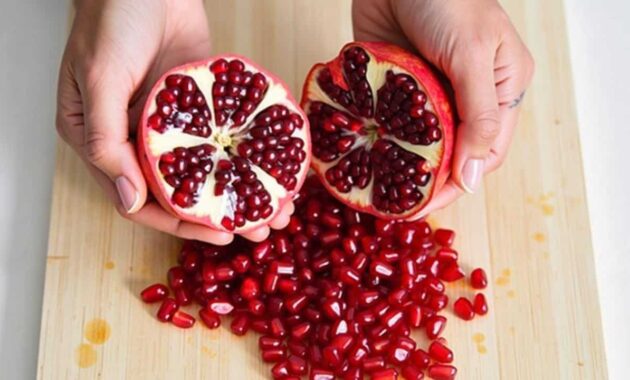
One wrong move and your worktop is red-spattered, the floor is dotted with runaway seeds, and your T-shirt looks like a crime scene. There is, though, a calm and surprisingly neat way to tackle this tricky winter fruit.
Why pomegranates are worth the effort
Pomegranates reach their peak between autumn and late winter, when most fruit bowls start to look a little bleak. The glossy skin hides hundreds of tiny arils: the juicy, ruby seeds that bring crunch, sweetness and a sharp, refreshing tang.
Those seeds carry more than just flavour. Pomegranates are rich in fibre and antioxidants, and research links regular consumption with healthier cholesterol levels, support for heart health and better gut function. A small handful can lift a salad, yoghurt or grain bowl from basic to genuinely exciting.
Pomegranate seeds offer a rare mix of freshness, texture and nutritional value right when cold-season diets tend to feel heavy and beige.
The real hurdle is access. The pale internal membrane grips each seed tightly. Cut the fruit the wrong way and you burst the arils, stain your chopping board and lose half the juice. Many people give up and buy the pre-packed seeds, which cost far more and lose flavour quickly.
The water-bowl method that keeps your kitchen spotless
The most reliable approach used by chefs and keen home cooks relies on water. It sounds almost too simple, yet it solves three problems at once: splatter, mess and time.
What you need before you start
- 1 ripe pomegranate
- A sharp knife
- A sturdy plastic or glass chopping board
- 1 large bowl filled with cold water
- 1 colander or fine-mesh sieve
- An airtight container for storage
Plastic or glass boards handle staining far better than porous wooden ones. Cold water helps firm the seeds slightly, so they separate more cleanly from the membrane.
Step 1: trim the top without piercing the seeds
Place the pomegranate on its side. Slice off the pointed “crown” at the top, about half a centimetre in. You want to expose the first line of seeds but not cut so deep that you slice through many of them.
This light trim gives you a clear view of the natural ridges that run down the fruit. Those ridges mark the internal walls and show you exactly where to place the next cuts.
➡️ Gardeners urged to act now for robins with a 3p kitchen staple you should put out this evening
➡️ A Pool Noodle Will Change Your Life in Your Kitchen: Here’s Why It Will Make Everything Revolut
➡️ The forgotten soak that restores cast iron pans to a smooth, black finish
➡️ After 131 cats were removed, this island ecosystem reacted far beyond what scientists predicted
➡️ France and the Rafale lose a €3.2 billion deal after last?minute U?turn
Follow the fruit’s own structure; the less you fight it, the cleaner the seeds come out.
Step 2: score along the natural ridges
Look for five or six pale vertical lines on the outer skin. With the knife, lightly score along each ridge from top to bottom. You are cutting through the peel and the white pith, not carving into the seeds.
Rotate the fruit as you go, keeping the knife shallow. You should end up with a pomegranate divided into several segments, still held together at the base.
Step 3: break it apart over water
Hold the scored fruit over the bowl of water. Gently pull it apart along the cuts so the segments fan out. If some juice starts to run, let it drip straight into the bowl rather than onto the counter.
Once separated into chunks, submerge one section at a time in the cold water. Under the surface, use your thumbs to nudge and pop the seeds away from the membrane. They will sink, while the light, spongy pith floats.
Working underwater cuts down splashes dramatically and lets gravity sort the seeds from the waste.
Step 4: skim, strain and store
When you have released all the seeds, use your hand or a spoon to skim off the floating white bits. Discard them or add them to the compost bin, as they are bitter and not usually eaten.
Pour the contents of the bowl through a colander. Run the seeds briefly under cold water to wash away any last traces of pith. Let them drain well, then tip them into an airtight container.
Kept in the fridge, fresh pomegranate seeds usually stay bright and juicy for up to five days. Label the container with the date if you tend to forget what’s hiding on the back shelf.
Quick comparison: common methods vs. the water-bowl
| Method | Mess level | Seed quality | Best for |
|---|---|---|---|
| Underwater (water-bowl) | Low | Mostly intact, few bursts | Regular home use, kids helping |
| Wooden spoon whacking | High splatter risk | More damaged seeds | Speed when you do not mind stains |
| Careful hand-picking without water | Moderate | Very neat but slow | Decorative plating, small quantities |
How to use those seeds once you have them
Once your container is full of glistening arils, they start to behave like a new staple ingredient. They land in dishes that would usually rely on nuts, herbs or dried fruit for a hit of contrast.
- Breakfast: sprinkle over porridge, granola or thick yoghurt with a drizzle of honey.
- Salads: toss into mixed leaves with feta, cucumber, toasted seeds or grains like quinoa.
- Main dishes: scatter on roasted vegetables, grilled chicken, lamb or halloumi for colour and acidity.
- Desserts: spoon over ice cream, citrus segments or chocolate mousse.
- Drinks: drop a spoonful into sparkling water or cocktails for a gentle fruity lift.
A small handful of pomegranate seeds can turn leftovers into something that feels freshly made.
The contrast of sweetness and sharpness cuts through creamy textures and rich meats. That makes the fruit particularly handy in colder months, when stews and roasts dominate.
What “antioxidant” really means here
Pomegranates are often described as antioxidant-packed, a phrase that can sound vague. In practice, this refers to compounds such as polyphenols, including punicalagins and anthocyanins, which help neutralise unstable molecules in the body known as free radicals.
Those molecules build up naturally through normal metabolism and exposure to pollution or UV light. Unchecked, they can damage cells over time. No single food acts as a shield, yet diets rich in a variety of antioxidant-containing plants are associated with better long-term health outcomes.
Pomegranate seeds also bring vitamin C, potassium and fibre. The fibre comes from the tiny crunchy core inside each aril, which supports digestion and helps you feel full for longer.
Small risks and sensible portions
For most people, pomegranate seeds are a safe and beneficial addition to meals. There are, though, a few points worth considering. Very large quantities of seeds can be uncomfortable for people with sensitive guts, due to the fibre content.
Those taking certain blood-thinning medications or managing specific heart conditions should speak with a healthcare professional before adding any fruit concentrate or extract in supplement form. Whole fruit eaten in normal portions is generally far milder than capsules or syrups.
Simple scenarios to build the habit
One practical approach is to seed two pomegranates at the start of the week using the water-bowl method and keep the arils in the fridge. On busy mornings, spooning a portion over yoghurt is quicker than chopping fresh fruit.
For dinner, you can imagine a tray of roasted carrots, onions and chickpeas. A squeeze of lemon, a spoonful of tahini and a handful of pomegranate seeds take that tray straight from basic roasting to something that looks deliberately styled for guests, even if it is just a Tuesday night.
Once the mess is under control, pomegranates shift from “special occasion project” to an easy, repeatable habit.
Some cooks also freeze excess seeds flat on a tray before tipping them into a bag. The texture softens slightly after defrosting, yet they work well in smoothies, sauces and baked dishes that do not rely on full crunch.