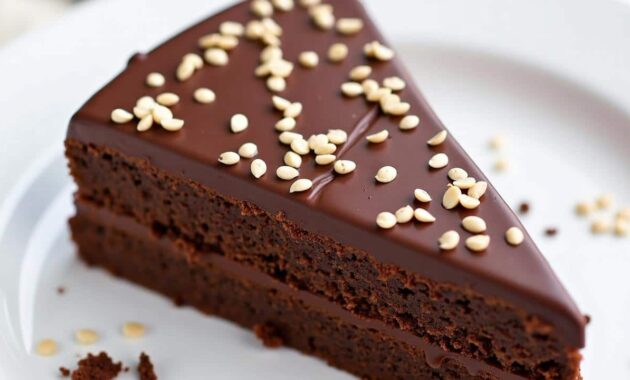
Across student flats, tiny studios and busy family kitchens, more people are quietly turning to one unexpected ally: the microwave. This humble appliance is now at the centre of a rising trend in “emergency” chocolate cakes, ready in minutes, made with a handful of cupboard staples – and with a texture that sits somewhere between a fondant and a brownie.
A cake for the ‘I need chocolate now’ moments
This express chocolate cake owes its success to one clear promise: no oven, no specialist kit, no long waiting time. Just a bowl, a microwave-safe dish and six very ordinary ingredients. The result is a soft, intensely chocolatey cake with a barely set centre that feels closer to a restaurant dessert than a weeknight fix.
This recipe is built for urgency: from cracking the first egg to taking the first bite, you’re looking at around five minutes of active time.
The idea first took off on French food sites, where it was framed as a solution for those without an oven at all – students, young professionals, or families in rental flats with limited equipment. But the format travels well. Anyone facing a power-hungry oven, summer heat, or just a packed schedule can see the appeal of a chocolate cake that leans on the microwave instead.
The basic formula: six ingredients, one bowl
At its core, the cake is built on a classic chocolate fondant structure, simply adapted to cook fast at low volume. The proportions are small, which helps the centre stay moist while the edges set.
| Ingredient | Quantity | Role in the recipe |
|---|---|---|
| Dark chocolate | 100 g | Flavour, structure and richness |
| Butter | 50 g | Soft texture and gloss |
| Sugar | 50 g | Sweetness and moisture |
| Flour | 30 g | Holds the cake together |
| Eggs | 2 | Structure and that fondant, custardy feel |
| Salt | 1 pinch | Boosts the chocolate flavour |
There is no baking powder in this mix. That absence is deliberate. Instead of rising high like a sponge, the cake stays low, dense and silky, closer to the texture of a lava cake.
Step-by-step: how the 5‑minute microwave cake works
Melting the base: chocolate and butter
The first move is to break the chocolate into pieces and cut the butter into cubes. Both go into a microwave-safe bowl.
They are heated in 30‑second bursts in the microwave, stirred between each round. This stops the chocolate from scorching and helps everything melt evenly. Once the mixture looks smooth and glossy, it forms the base of the batter.
Building the batter
In a separate bowl, eggs and sugar are beaten together until the colour lightens. This stage traps a little air, helping the cake stay soft rather than dense and rubbery.
➡️ This creamy, savory recipe is perfect when you want food that feels safe
➡️ Why budgeting works best when it adapts to real life
➡️ How could these “autofocus glasses” revolutionize consumer optics?
➡️ Rare great white spotting shows ‘ghost’ species still alive
The warm chocolate-butter mixture is then poured over the egg and sugar blend. Stirring brings the two mixtures together into a thick, shiny batter. Flour and a pinch of salt are folded in gently at the end, just until no streaks remain.
The key is to stop mixing as soon as the flour disappears; overworking the batter can make the final texture tougher.
Microwave timing: walking the fine line
The batter is transferred into a greased microwave-safe mould or dish. A wider, shallower dish cooks faster and more evenly; a deeper one gives a more molten centre.
Cooking time sits around three to four minutes at 600–700 watts. This is where personal judgement matters. Microwaves vary, and those extra 20 or 30 seconds can shift the cake from oozing fondant to fully set brownie.
Signs to watch through the door: the edges of the cake should look set and slightly puffed, while the centre still appears soft and slightly wobbly. Residual heat continues to cook the cake as it rests.
Serving ideas: from student snack to dinner-party dessert
Served warm, straight from the dish, this cake already feels indulgent. But it adapts easily to different occasions and appetites.
- For a quick solo treat: bake in a single mug, halve the quantities, and eat with a spoon.
- For a family dessert: use the full recipe in a small dish and serve in slices.
- For guests: pair warm portions with a scoop of vanilla ice cream or a dollop of lightly sweetened whipped cream.
- For extra richness: hide a spoonful of chocolate spread in the centre of the batter before cooking.
Adding a handful of chocolate chips on top just before microwaving creates pockets of melted chocolate inside the cake. A brief cool-down, two or three minutes, allows the structure to set slightly without losing that soft-centred appeal.
Why microwave cakes are on the rise
Short, small-batch recipes like this one fit into a wider shift in home cooking. Households are looking for ways to cut energy use, reduce food waste and still keep a sense of pleasure at the table.
A typical four‑minute microwave session draws less power than heating a full oven for half an hour, which makes this style of dessert attractive for cost‑conscious cooks.
Portion control plays a part too. Baking a full-sized cake often means several days of leftovers. A compact microwave version delivers the satisfaction of cake without a week-long commitment.
Common questions: safety, texture and tweaks
Is microwave baking safe?
From a food safety standpoint, the main question is whether the eggs are cooked enough. A slightly molten centre is normal in this style of dessert, but the heat of the microwaved batter should bring most of the mixture above the critical temperature for egg safety, especially at three to four minutes.
For anyone pregnant, immunocompromised or cautious about undercooked eggs, a longer cooking time or a fully set version is an option. Alternatively, pasteurised liquid eggs can reduce risk concerns.
Why does the texture feel so different from an oven cake?
A microwave heats water molecules directly, so cakes made this way tend to be moister, with less of a crust. There is no dry, golden edge as in an oven bake. Instead, the crumb remains tender all the way through.
Because the heat reaches the centre faster, the window between undercooked and overcooked is narrow. That is why short cooking bursts and visual checks matter more than strict timing.
Variations for different diets and cupboards
The core structure of the recipe is flexible. Several swaps are possible without losing the character of the cake.
- For a dairy-light version, replace butter with a neutral oil, such as sunflower or light olive oil.
- For those avoiding gluten, a finely ground almond flour or a gluten-free flour blend can stand in for the wheat flour.
- For a less sweet cake, reduce the sugar slightly and choose a darker chocolate – 70% cocoa gives a more intense result.
- For a flavour twist, add orange zest, a pinch of instant coffee, or a splash of rum or vanilla extract.
Each change shifts the texture slightly. Oil gives a moister, denser crumb; almond flour adds a faint nuttiness. Testing small portions first can help find a personal favourite version without wasting ingredients.
From emergency fix to weekly ritual
What begins as a back‑up plan for the broken oven can easily turn into a regular ritual. For parents, it offers a way to involve children in baking without a long wait or hot oven trays. For students, it turns a microwave, usually reserved for reheating leftovers, into a tool for real cooking.
There is also a psychological side. Quick, warm desserts often serve as a small comfort at the end of stressful days. Having a reliable, low‑effort recipe on hand can reduce the temptation of ultra‑processed snacks, while still feeling like a treat.
Used occasionally, this style of cake fits into a balanced approach to food. The ingredient list is short and familiar, the method is accessible, and the result is immediate. For anyone facing that late‑evening thought – “I just need something chocolatey” – this express microwave cake offers a practical, almost instant answer.