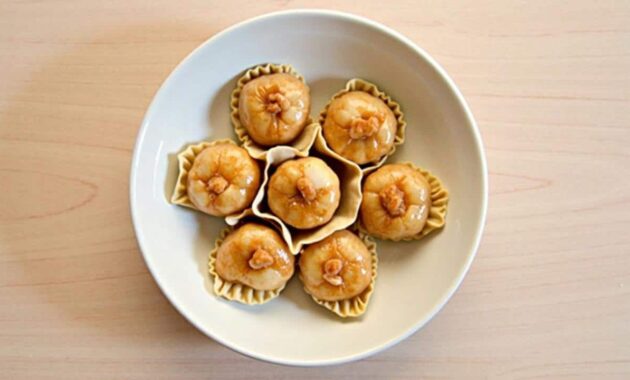
While most shoppers glance nervously at a Nutri-Score C and move on, a pack of shrimp dumplings from frozen-food giant Picard has just been spotlighted as “a nice product” by a prominent nutrition doctor in France. The endorsement is raising questions about how we judge ready-made food, and whether that colourful Nutri-Score label tells the whole story.
What are these Picard shrimp bites everyone is talking about?
The product in question is sold in France under the name: “8 HACAO, bouchées aux crevettes avec sauce soja” – eight steamed shrimp bites with soy sauce, Nutri-Score C.
They look like classic Asian-style dumplings: delicate dough, a shrimp filling, and a small pot of soy and ginger sauce for dipping. On paper, the Nutri-Score C places them in the “middle of the road” category – neither particularly good nor bad.
Yet a well-known nutrition doctor, Jean-Michel Cohen, has included them in his buying guide and describes them as “a nice product”.
That praise is not about taste alone. It rests on what is inside the dumplings, and what is surprisingly absent.
Why a Nutri-Score C still caught a doctor’s eye
Nutri-Score, widely used in France and several other European countries, gives packaged foods a letter grade from A (green) to E (red). It attempts to weigh beneficial elements such as fibre and protein against calories, saturated fat, sugar and salt.
Most consumers see a C and think “average at best”. For these shrimp dumplings, the doctor’s assessment suggests a more nuanced look is needed.
A high share of real shrimp
According to the guide, shrimp make up just over half of the recipe, around 51%. That alone is unusual for many ready-made bites or dumplings, which often rely heavily on fillers and flavourings.
These are made with real shrimp in majority quantity, not just flavouring or tiny fragments hidden in starch.
➡️ Three times cheaper than cod, chefs love cooking this delicate white fish
➡️ Why vets are increasingly warning dog owners against tennis balls
➡️ The unusual roasting method that makes cauliflower taste almost nutty and sweet
This high proportion of seafood means more protein and less room for ultra-processed fillers.
A short and readable ingredients list
The ingredients list is relatively brief for a frozen ready-meal. The recipe includes:
- shrimp
- water
- wheat starch
- tapioca flour
- yam
- sunflower oil
- bamboo shoots
- soy sauce with ginger
No long list of additives, no artificial colourings, no mystery numbers. For a frozen snack, that already sets it apart from many competitors.
The nutrition numbers behind the C rating
The nutritional values for 100 g of these shrimp bites look fairly moderate for a savoury frozen product.
| Nutrient (per 100 g) | Value |
|---|---|
| Energy | 144 kcal |
| Protein | 8.8 g |
| Total fat | 3.1 g |
| Saturated fat | 0.5 g |
| Salt | 1.2 g |
The calorie count is modest, the fat content is low, and saturated fat is very low for a dumpling-style product. Protein is reasonable, largely thanks to the high shrimp content.
The weak point lies mainly in salt, influenced by the soy sauce, which drags the Nutri-Score down to C.
This is a classic example of how one factor – here, sodium – can heavily impact the final letter, even when the rest of the nutritional profile looks fairly balanced.
How a “nice product” fits into a normal meal
For the French nutritionist, calling these dumplings a “nice product” does not mean they should be eaten by the box without a second thought. It means they can fit neatly into a balanced meal when used thoughtfully.
On their own, several dumplings and the salty dipping sauce can push the salt intake up. Combined with the right side dishes, they turn into a more complete and satisfying plate.
Smart ways to serve these shrimp dumplings
For a more balanced dinner, nutrition specialists would typically suggest pairing a product like this with vegetables and keeping an eye on total salt intake. For example:
- Serve 3–4 dumplings with a large portion of stir-fried vegetables (pak choi, broccoli, peppers) made with minimal soy sauce.
- Add a bowl of raw vegetables or a crunchy salad dressed with citrus and a small splash of oil.
- Skip extra salty condiments and taste the dumplings before dipping them fully in soy sauce.
Used that way, these shrimp bites become a convenient protein source at the heart of a more complete meal, not just a salty snack.
Nutri-Score has limits, and this product shows them
Nutrition labels simplify complex information into colours and letters. That helps shoppers make quick choices, but it can hide some interesting cases like this one.
A C on the front of the pack does not always mean “junk food”; context, ingredients and portion size still matter.
Here, the letter reflects the sodium level more than the overall ingredient quality. Products with more additives, less real protein and more sugar sometimes achieve a similar Nutri-Score, purely due to the way the algorithm works.
How consumers can read beyond the letter
For shoppers standing in the frozen aisle, a few quick checks can give extra clarity, especially for products around Nutri-Score B or C:
- Scan the first three ingredients: they should ideally be real foods, not sugar or fat.
- Check protein: a higher protein content often means a more filling, structurally richer meal.
- Look at salt: figures above 1 g per 100 g call for some caution, particularly if eaten with other salty foods.
- Glance at the length of the ingredient list: shorter often means less ultra-processing.
In the case of the Picard shrimp dumplings, most of these quick checks are reassuring, even if the salt content invites a bit of restraint.
Frozen food, Asian flavours and realistic habits
This product also taps into two strong trends across Europe and the UK: the rise of Asian-inspired flavours and a growing reliance on frozen convenience food. Many households now combine home cooking with ready-made elements to save time.
From a public health perspective, frozen products that focus on whole ingredients rather than ultra-processed blends can be a step in a better direction. A box of shrimp dumplings with identifiable ingredients is not the same as a frozen dish loaded with cream, sugar and stabilisers.
That said, there are still points to watch. People with high blood pressure, kidney issues or a strong sensitivity to salt need to be especially cautious with soy-based sauces, which can quickly push sodium intake above recommended levels.
What this tells us about “good” and “bad” foods
This Picard case highlights a broader theme in nutrition: very few foods are purely “good” or “bad” in isolation. What matters is the pattern over days and weeks, the size of portions and what else shares the plate.
A Nutri-Score C shrimp dumpling meal once or twice a month, served with plenty of vegetables, is not nutritionally equivalent to daily heavy takeaways.
On the flip side, relying heavily on any salty ready-made products, even those praised for their ingredient list, can contribute to long-term health issues if the rest of the diet is also rich in processed items, cured meats and cheese.
For consumers juggling taste, time and health, this kind of product sits in an interesting middle ground: more considered than a random frozen pizza, still convenient, and far less complex than cooking dim sum from scratch. The doctor’s positive view does not turn it into a miracle food, but it does suggest that reading between the lines of the Nutri-Score can sometimes reveal a genuinely reasonable choice hiding behind a simple C.
Originally posted 2026-03-09 06:05:00.