In a nutshell
- 🍎 Mixing fruits and veg in one drawer is the everyday mistake—ethylene from emitters (apples, pears) speeds spoilage in ethylene-sensitive greens.
- 💧 Use fridge humidity zones properly: High humidity (vent closed) for leafy veg and herbs; Low humidity (vent open) for most fruits to vent gases.
- 🌡️ Why colder isn’t always better: Keep fridges at about 3–5°C; avoid back-wall cold spots and door swings to prevent chill injury and texture loss.
- 🧺 Smart storage tactics: don’t overpack, use micro‑perforated bags for fruit, line greens with a dry paper towel, and keep emitters separated from sensitive items.
- 🗓️ Five-minute routine: sort on arrival, label “eat first,” keep a visible use‑up tray, and wash most produce right before use for longer freshness.
You buy baby spinach on Sunday, plan a midweek salad, and by Thursday it’s a sorry, slimy mess. What went wrong? In many UK kitchens, the culprit isn’t dodgy greens or a lazy clean-out—it’s a subtle storage habit that quietly sabotages freshness. The everyday mistake: tossing all fruit and veg into the same fridge drawer. That catch‑all approach fuels premature ripening and wilting, wasting money and meal plans alike. The combination of ripening gases, stray moisture, and mismatched humidity quietly shortens the life of produce without you noticing. Here’s how to stop the rot, reorganise your fridge like a pro, and keep those crisp, colourful ingredients at their best for far longer.
The Hidden Culprit: Mixing Fruits and Veg in One Drawer
Most of us slide apples, salad leaves, berries, and broccoli into a single crisper and forget about them. It’s convenient—and quietly ruinous. Many fruits emit ethylene, a natural plant hormone that accelerates ripening. Apples, pears, kiwis, and especially bananas are classic emitters. Leafy greens, herbs, broccoli, and cucumbers are ethylene‑sensitive. Put them together and the gas encourages tender veg to yellow, wilt, and decay before their time. Even tiny, invisible traces of ethylene can significantly speed up quality loss in sensitive produce.
There’s a second problem: humidity mismatch. Leaves prefer a snug, moist microclimate to stay crisp; fruits generally fare better with a drier, slightly vented environment that lets ethylene escape. When you crowd everything into one drawer, you create a foggy, gassy stew of conditions that suits almost nothing. In interviews, UK food‑waste experts repeatedly flag this simple misstep as a driver of domestic spoilage. The fix is disarmingly simple: separate emitters from sensitive items, and use your drawers as intended—one high‑humidity drawer for greens; one low‑humidity drawer for fruits that produce ethylene.
How Your Fridge’s Humidity Zones Should Really Work
Those sliders on your crisper drawers aren’t decoration—they fine‑tune relative humidity. Closed vents trap moisture for delicate leaves; opened vents allow moisture and gases to escape, which suits most fruits. Matched to the right foods, humidity control slows wilting, discourages mould, and keeps textures snappy. In practice, that means dedicating one drawer to “high humidity” and one to “low humidity,” even if the fridge’s factory labels say “fruit” and “veg” without nuance.
Quick placements that work in real kitchens:
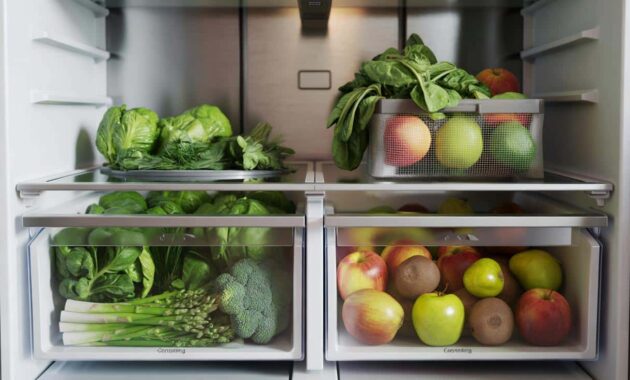
- High humidity (vent closed): Lettuce, spinach, herbs, broccoli, spring greens, radishes, asparagus. Add a dry paper towel to capture excess moisture.
- Low humidity (vent open): Apples, pears, kiwis, stone fruit; keep bananas at room temperature until ripe. Allow a little airflow to vent ethylene.
Pro tip: Keep cucumbers and courgettes in the high‑humidity drawer but away from apples and pears—both are sensitive to ethylene and chill. And don’t overpack. When drawers are crammed, air can’t circulate, cold spots form, and produce spoils faster. Leave some breathing room, and consider micro‑perforated bags that balance moisture retention with ventilation.
Quick Reference: What Goes Where
Use this at‑a‑glance guide to avoid the classic “all in one drawer” mistake. Sorting by ethylene behaviour and humidity need gives you immediate, visible gains in shelf life. Expect most items to last noticeably longer when stored in the right zone with the right packaging.
| Category | Examples | Ethylene Role | Best Zone | Packaging Tip | Typical Life |
|---|---|---|---|---|---|
| Leafy & Tender Veg | Spinach, lettuce, herbs | Sensitive | High humidity | Box with paper towel | 3–7 days |
| Crucifers | Broccoli, cauliflower | Sensitive | High humidity | Loose bag, minimal air | 4–7 days |
| Ethylene‑Producing Fruit | Apples, pears, kiwis | Emitter | Low humidity | Ventilated bag | 1–3 weeks |
| Delicate Fruit | Berries | Sensitive | Low humidity | Dry, shallow box | 2–5 days |
| Moisture‑Sensitive Fungi | Mushrooms | Sensitive | Low humidity | Paper bag | 3–5 days |
Note: Keep bananas at room temperature until ripe, then refrigerate to slow browning of the flesh (skins will darken). Tomatoes prefer room temperature for flavour; refrigerate only when fully ripe and you need to pause softening.
Why Colder Isn’t Always Better
The UK Food Standards Agency advises keeping fridges at 5°C or below for safety. That’s non‑negotiable for dairy and ready‑to‑eat foods. But within that safe range, produce responds differently to chill. Some items suffer “chill injury” when held too cold for too long—think cucumbers pitting, herbs blackening, or bananas browning from the inside. Aim for 3–5°C in the main cavity, and use drawers for a slightly warmer, more stable microclimate with tuned humidity.
➡️ How your birth order determines your personality more than genetics (the research)
➡️ Can This New High-Tech South Korean Frigate Really Compete With France’s “Star” FDI?
➡️ Why you should always wash second-hand clothes before wearing them
➡️ Goodbye to the dining table : the new trend from abroad that replaces it for good in homes
➡️ With a flannel or by hand? Which shower method is really “cleaner”? Dr Kierzek’s verdict
Positioning matters. Avoid pressing produce against the back wall (often the coldest zone) and skip the door shelves for anything delicate—the temperature swings there are brutal. Also watch airflow: blocking vents or overfilling shelves leads to uneven cooling and condensation that feeds mould. A quick thermometer check in your drawers can reveal surprising microclimates. If you see frost or pooled moisture, move items forward, reduce crowding, and switch to breathable containers. Colder keeps microbes at bay, but controlled humidity and smart placement keep textures and nutrients intact.
Prep Like a Pro: A Simple Weekly Routine That Works
A few small habits beat a Sunday “big sort” that never happens. I’ve road‑tested this five‑minute Friday routine in my own London flat, and the payoff is immediate: crisper leaves, fewer furry berries, and far less bin‑bound veg. Consistency—more than clever gear—is what extends shelf life.
Try this:
- Unpack and separate emitters (apples, pears) from sensitive greens straight away.
- Line leaf boxes with a dry paper towel; replace when damp.
- Only wash just before use. Exception: berries benefit from a brief vinegar rinse (1:3 with water), then thorough drying.
- Use micro‑perforated bags or slightly open containers for fruit; sealed boxes for greens.
- Label by “eat first” date; put those at the front and centre.
Across interviews with WRAP and chefs, one theme repeats: visibility prevents waste. Put prepped, ready‑to‑eat salad leaves eye‑level. Stash fruit in the low‑humidity drawer with the vent open. Keep a small “use‑up” tray for odds and ends—perfect for frittatas and soups before the weekend shop.
Refrigeration should preserve, not punish, your produce. By avoiding the everyday mistake of mixing ethylene‑producing fruits with sensitive greens—and by using humidity zones as intended—you can add days, even a week, to shelf life. The changes are simple, the impact immediate: crisper textures, brighter flavours, and fewer expensive regrets. What single tweak will you try first this week: splitting your drawers by ethylene, adjusting humidity sliders, or rethinking temperature and airflow to give your groceries room to breathe?