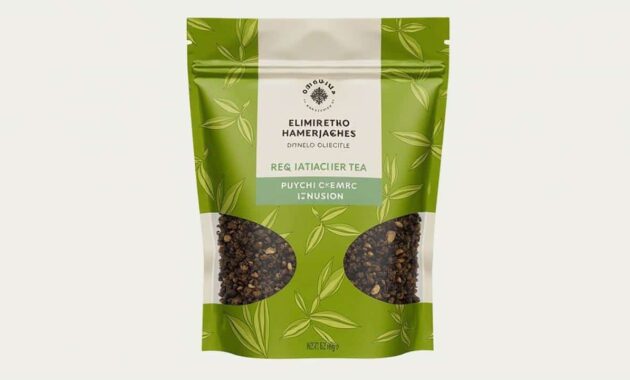
After a long day, many people unwind with a cup of herbal tea, trusting the soothing “organic” label on the packet.
In France, that quiet evening ritual has been shaken by a nationwide recall targeting an organic lemon verbena infusion, sold loose by specialist brand Origines Tea and Coffee, after tests flagged a biological contamination risk.
Organic herbal tea pulled from shelves across France
The French government’s Rappel Conso platform has issued an alert concerning batches of “Infusion Bio Verveine Citronnée” sold under the Origines Tea and Coffee brand. The product was distributed both in-store and online and could be found in pantries anywhere in the country.
The recall concerns loose organic lemon verbena infusion sold in 50 g and 500 g paper bags. These teas were available from 1 March 2023 right through to 12 February 2026, giving them a long sales window and a significant potential reach.
Consumers who bought this organic lemon verbena infusion are urged to stop drinking it immediately and check the batch information on the packaging.
Which products are affected?
The alert is targeted, with precise references that allow customers to identify whether their tea is part of the recall.
- Brand / product: Origines Tea and Coffee – loose “Infusion Bio Verveine Citronnée” (organic lemon verbena infusion)
- Product codes: O30516 (50 g bag) and O30616 (500 g bag)
- Best-before dates (DDM):
- 28/02/2027 – 50 g and 500 g packs
- 30/04/2027 – 500 g packs
- 30/11/2027 – 500 g packs
- GTIN: 3760247355512
- Sales channels: Origines Tea and Coffee boutique in Bruges (Gironde) and the brand’s website, with delivery across mainland France
- Recall window: the official recall procedure is scheduled to run until Thursday 30 April 2026
Anyone who has purchased this tea online in the last few years, especially in larger 500 g bags, is strongly encouraged to check their cupboard. The long shelf life and distant best-before dates mean many packs are likely still unopened.
What kind of contamination is involved?
The issue does not come from bacteria or mould, as many might assume, but from plant toxins called tropane alkaloids. These are naturally occurring compounds found in certain plants, including the notorious datura, also called jimsonweed or devil’s trumpet.
Tropane alkaloids are natural plant toxins that can severely disrupt the nervous system and the heart when ingested in significant amounts.
During quality checks, the recalled lemon verbena infusion was found to contain these alkaloids. Contamination can occur when fragments of toxic weeds end up mixed with edible plants during harvesting or processing. Even small amounts can matter, because the substances are potent.
➡️ Salt-and-pepper hair: the worst mistakes to make with your cut
➡️ Rushed to emergency surgery, she recovered in just 24 hours thanks to a treatment… with Coca‑Cola
➡️ Hedgehogs In Spring: This One Urgent Garden Corner Trick Can Save Them When They Wake Up
➡️ Hairstyles After 60: This Fringe Is The Stars’ Secret To Softening The Face
Health risks linked to tropane alkaloids
When ingested at higher doses, tropane alkaloids interfere with the body’s cholinergic system, which plays a central role in nerve signalling. This interference can trigger what doctors describe as an anticholinergic syndrome.
Key signs to watch for after drinking a cup of the affected infusion include:
- Unusually dry mouth and difficulty swallowing
- Blurred vision or trouble focusing
- Fast heartbeat or palpitations
- Agitation, confusion or disorientation
- In severe cases, hallucinations or convulsions
Children, older adults, pregnant women and people with existing heart or neurological problems face a higher level of risk. For them, even moderate exposure can be more destabilising.
What consumers should do if they have this tea at home
The official recommendation is straightforward: stop drinking the product. Consumers are advised to isolate the bag, note its information and make arrangements for a refund or safe disposal.
If you have been drinking this lemon verbena infusion regularly, stop immediately and contact the retailer or brand for reimbursement.
Refund and contact details
Origines Tea and Coffee is offering refunds on the recalled batches until 30 April 2026. Customers have two options:
- Return the product directly to an Origines Tea and Coffee boutique in Bruges
- Contact the company’s customer service by phone to handle the process remotely
The contact number given in the recall notice is 05 56 51 37 30. Consumers are asked to keep the packaging, or at least note the code and best-before date, to make handling easier.
If returning the tea is not practical, the sachet can be disposed of with household waste. Authorities advise against passing it on to anyone else or trying to use it for other purposes, such as homemade potpourri or compost.
When to seek medical advice
People who have already drunk the infusion do not need to rush to emergency services if they feel well. That said, certain warning signs require quick medical attention:
- Palpitations or irregular heartbeat
- Sudden vision problems
- Confusion, agitation or hallucinations
- Severe headaches, extreme thirst or difficulty urinating
In France, health authorities encourage calling a doctor or the local emergency number if these symptoms follow consumption of a recalled product. Medical staff can assess whether monitoring or treatment is needed.
Why organic teas can still be affected by toxins
The case is a reminder that “organic” does not automatically mean “risk-free”. Organic farming restricts synthetic pesticides and fertilisers. It does not eliminate plants like datura that can grow spontaneously among crops.
| Aspect | Organic herbal tea | Main safety concern |
|---|---|---|
| Farming | Limited synthetic chemicals | Possible presence of toxic wild plants |
| Processing | Drying and cutting of leaves and flowers | Cross-contamination during harvesting or sorting |
| Consumer perception | Seen as natural and gentle | Risk of underestimating potential toxicity |
For manufacturers, rigorous sorting and testing are meant to prevent weeds and their toxins from entering the supply chain. Still, as this recall shows, gaps can appear, especially with products sold in bulk over several years.
Reading recall notices and protecting yourself
France’s Rappel Conso platform has transformed the way recalls are communicated. It centralises alerts for food, cosmetics, toys and other goods. Yet many consumers remain unaware that recalls even affect something as benign as herbal tea.
From a practical standpoint, a quick routine can increase safety at home:
- Check the labels of long-lasting dry products once or twice a year
- Keep receipts or order confirmations for online grocery purchases when possible
- Pay attention to public-health announcements and supermarket posters about recalls
- Be cautious when unusual symptoms follow the consumption of a new product
For herbal tea fans, alternating brands, avoiding oversized bags that last for years and buying from sources with clear traceability can reduce risk. No product is entirely exempt from safety issues, but informed habits make a difference.
Understanding anticholinergic effects in simple terms
The term “anticholinergic syndrome” sounds technical, yet the effects are very concrete. In everyday language, tropane alkaloids act a bit like slamming the brakes on the body’s “rest and digest” system. Saliva dries up, the pupils dilate, the heart races and the brain may become confused.
These substances are used in controlled doses in some medicines, such as certain motion-sickness tablets. In those cases, the benefits are measured, and the dose is carefully calculated. The problem with contamination in food or herbal tea is that the dose is unknown and uncontrolled.
For someone who drinks several cups of the same contaminated infusion each day, exposure can build up. That scenario explains why the authorities are not just recalling the product, but stressing the need to stop regular consumption and monitor any symptoms.